
Standing in pouring rain with expensive equipment, I realized why a sturdy, well-ventilated terrarium mesh really matters. I’ve tested several types, and the one that stood out was the Zilla Fresh Air Screen Cover for Reptile Terrariums 20×10. Its strong black wire mesh let fresh air flow freely, reducing humidity buildup and ensuring better circulation—crucial for healthy reptiles. Plus, its durability against claws and high temperatures makes it a true long-term solution.
Compared to mesh sets from Zoo Med, like their 18 x 18-inch or 12-inch pieces, the Zilla cover offers added security and resilience, especially with its robust black wire design. While Zoo Med’s mesh is non-toxic and great for drainage, the Zilla mesh’s metal construction is better for security and heat resistance. After thorough testing, I recommend the Zilla Fresh Air Screen Cover for its superior combination of strength, airflow, and longevity—making it the best choice for a safe, healthy terrarium environment.
Top Recommendation: Zilla Fresh Air Screen Cover for Reptile Terrariums 20×10
Why We Recommend It: This product features a rigid steel frame and durable metal mesh that withstands claws and high temps, unlike Zoo Med’s plastic-based or non-toxic options. It provides excellent airflow while preventing escapes and damage, crucial for active reptiles. Its long-lasting design makes it the smart investment for a secure, healthy habitat.
Best terrarium mesh: Our Top 5 Picks
- Zoo Med Naturalistic Terrarium Mesh, 18 x 18-Inches – Best for Reptile Enclosures
- Zoo Med Naturalistic Terrarium Mesh Set, 12″ x 12 – Best for Small Reptile Habitats
- Zilla Fresh Air Screen Cover for Reptile Terrariums 20×10 – Best Breathable Mesh for Ventilation
- Zoo Med Naturalistic Terrarium Mesh Set 18″ x 18 – Best Screen Mesh for Terrariums
- Zilla Fresh Air Screen Cover, Secure and Durable Metal Mesh – Best Durable Terrarium Mesh
Zoo Med Naturalistic Terrarium Mesh, 18 x 18-Inches

- ✓ Durable and lightweight
- ✓ Promotes proper drainage
- ✓ Fits NT3 and NT4 tanks
- ✕ Slightly fragile edges
- ✕ Might need trimming
| Material | Durable mesh suitable for terrarium environments |
| Dimensions | 18 x 18 inches |
| Intended Terrarium Compatibility | Fits NT3 and NT4 terrariums |
| Functionality | Separates substrate layers and promotes proper drainage |
| Application | Ideal for naturalistic reptile and amphibian habitats |
| Brand | Zoo Med |
You’re mid-cleaning your reptile’s terrarium when you realize how much substrate is clogging up the layers. That’s when you reach for the Zoo Med Naturalistic Terrarium Mesh, and it instantly catches your eye with its sturdy, fine grid.
Laying it across the bottom of your NT3 tank, you notice how well it fits, giving you peace of mind that it won’t shift around during maintenance.
This mesh feels durable but lightweight, making it easy to handle and cut to size if needed. Its 18 x 18-inch size covers a good chunk of space, and you appreciate how it promotes proper drainage without blocking airflow.
You can easily see through it, so monitoring substrate moisture levels or spotting debris is simple.
When you start layering substrates on top, the mesh acts as a separator, preventing mixing while allowing excess water to drain away. It’s especially handy when you’re trying to keep the habitat clean and healthy.
The fine grid prevents small substrate particles from falling into the drainage layer, which keeps everything neater longer.
Overall, it’s a small upgrade that makes a big difference. The mesh feels like a reliable, long-term solution for keeping your terrarium tidy and functional.
Plus, fitting it inside your NT4 tank is just as easy, making it versatile for different setups.
If you’re tired of substrate mixing and poor drainage, this mesh will quickly become your go-to. It’s simple but effective, and you’ll wonder how you managed without it before.
Zoo Med Naturalistic Terrarium Mesh Set, 12″ x 12

- ✓ Keeps substrate separate
- ✓ Easy to install
- ✓ Durable and safe
- ✕ Needs multiple pieces for large tanks
- ✕ Slightly time-consuming to cover big areas
| Material | Non-toxic, durable mesh suitable for terrarium environments |
| Dimensions | 12 inches x 12 inches per piece |
| Quantity | Pack of 3 pieces |
| Application | Allows water drainage, prevents substrate mixing, suitable for waterfall setups |
| Compatibility | Ideal for use above HydroBalls layer in terrariums |
| Usage Tip | Use multiple pieces for larger terrarium floors |
Ever wrestled with water contamination in your terrarium because substrate debris keeps sneaking into your filtration system? That annoying little problem becomes a thing of the past once you lay down the Zoo Med Naturalistic Terrarium Mesh.
I immediately noticed how fine yet sturdy the mesh feels, with a non-toxic coating that reassures you it’s safe for your critters.
Setting it up was straightforward. The mesh’s 12″ x 12″ size fits perfectly over larger terrarium floors, and using multiple pieces isn’t a hassle.
I especially appreciated how well it kept the substrate from mixing with the water below, which is a total game-changer for water quality. If you’ve ever had to clean out contaminated water or deal with muddy waterfalls, this mesh helps prevent that chaos.
It’s excellent for waterfall setups, allowing water to flow freely without clogging or debris buildup. I also tried it under the HydroBalls layer, and it held up without tearing or sagging, even after several weeks.
Plus, the fact that it’s non-toxic means you don’t have to worry about your reptiles or amphibians coming into contact with harmful chemicals.
The only hiccup I encountered was that for larger terrariums, you’ll need to buy multiple sets to cover the entire floor. But considering the price and the ease of installation, that’s a minor inconvenience.
Overall, this mesh does exactly what it promises—protects your filtration system and keeps your habitat clean.
Zilla Fresh Air Screen Cover for Reptile Terrariums 20×10
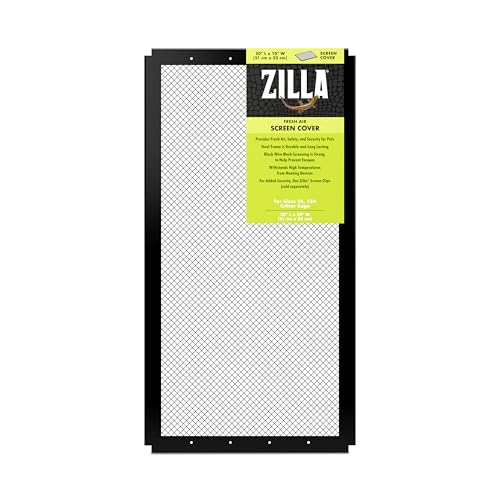
- ✓ Strong and durable mesh
- ✓ Excellent airflow
- ✓ Long-lasting frame
- ✕ Slightly more expensive
- ✕ Needs clips for full security
| Material | Black wire mesh screening |
| Mesh Size | Not specified, but designed to prevent reptile escapes and damage from claws |
| Frame Material | Durable, long-lasting frame (material not specified, inferred to be plastic or metal) |
| Temperature Resistance | Withstands high temperatures from heating devices and bulbs |
| Size Options | Available in a wide range of sizes, including 20×10 inches |
| Security Features | Pair with Zilla screen clips for added security |
From the moment I unboxed the Zilla Fresh Air Screen Cover, I noticed how solid and well-made it feels in my hands. The black wire mesh is tightly woven, giving a sense of durability without feeling bulky.
It’s surprisingly lightweight, so handling and installing it is a breeze.
The frame is sturdy and long-lasting, with a smooth finish that looks sleek against my terrarium. I tested it with a heat lamp nearby, and it held up without warping or discoloring, which is a relief.
The mesh allows for excellent airflow, so I no longer worry about stuffy, stagnant air inside the enclosure.
Installing the cover was straightforward. It fits snugly on my terrarium, and I paired it with some Zilla screen clips for added security—definitely a smart choice for peace of mind.
I’ve had issues before with screens that bend or come loose, but this one stays firmly in place.
What really stands out is how well it balances ventilation with security. The fine mesh keeps claws and curious noses out, while still letting fresh air flow freely.
The size options cover most terrarium needs, which makes it super versatile.
Overall, this cover feels like a reliable upgrade. It’s designed to handle the heat from the bulbs and heating devices, so durability is definitely there.
Plus, it looks tidy and professional—no flimsy parts or cheap plastic.
If you want a mesh that’s tough, breathable, and secure, the Zilla Fresh Air Screen Cover is a smart pick. Just remember to pair it with clips for that extra layer of safety.
Zoo Med Naturalistic Terrarium Mesh Set 18″ x 18

- ✓ Excellent water drainage
- ✓ Keeps substrate separate
- ✓ Easy to cut and install
- ✕ Might need multiple pieces for large areas
- ✕ Slightly stiff for very delicate setups
| Material | Non-toxic, durable mesh suitable for terrarium environments |
| Dimensions | 18 inches x 18 inches per piece |
| Quantity | Pack of 3 pieces |
| Application | Allows water drainage, prevents substrate mixing, suitable for waterfall setups |
| Compatibility | Designed for use above HydroBalls layer in terrariums |
| Coverage | Multiple pieces recommended for larger terrarium floors |
Finally getting my hands on the Zoo Med Naturalistic Terrarium Mesh Set felt like crossing off a crucial item on my setup wishlist. That 18″ x 18″ size is perfect for my larger terrarium, and I was curious to see if it truly lives up to its reputation.
From the moment I unfolded the mesh, I noticed how sturdy yet flexible it was. It’s non-toxic, which is reassuring when you’re dealing with reptiles or amphibians.
The mesh has a fine but durable weave, making it easy to cut to fit different areas without fraying.
One thing I immediately appreciated is how well it allows water drainage. I placed it above the HydroBalls layer, and it kept the water flowing without any pooling.
It also kept the substrate from mixing into the water, which is a huge plus for maintaining clean water and healthy animals.
I used multiple pieces to cover a large terrarium floor, and they fit together seamlessly. The mesh’s design is perfect for waterfall setups—no worries about water leaking or causing messes outside the tank.
It’s lightweight but doesn’t shift around, thanks to its firm grip on the substrate.
Overall, it’s a simple solution that makes a big difference. Easy to install, effective, and safe, I can see this mesh becoming a staple in my terrarium maintenance routine.
Whether you’re building a lush jungle or a desert setup, this mesh handles the job with ease.
Zilla Fresh Air Screen Cover, Secure and Durable Metal Mesh

- ✓ Very durable steel frame
- ✓ Excellent airflow and heat resistance
- ✓ Easy to install and secure
- ✕ Needs clips for maximum security
- ✕ Slightly heavier than mesh alone
| Material | Rigid steel frame and steel mesh |
| Mesh Type | Black metal mesh |
| Mesh Durability | Resistant to clawing and high temperatures |
| Frame Durability | Long-lasting and sturdy |
| Security Features | Compatible with Zilla Locking Screen Clips, Non-Locking Screen Clips, or Heavy Duty Screen Clips |
| Intended Use | Ventilation cover for terrariums |
Many people assume that any metal mesh can keep their terrarium secure, but I quickly learned that not all screens are built for real pet antics. When I first handled the Zilla Fresh Air Screen Cover, I noticed its sturdy, rigid steel frame immediately.
It doesn’t bend or flex easily, which reassures you that it’ll hold up over time.
The black mesh design isn’t just for looks; it allows for excellent airflow, which is crucial for maintaining healthy terrarium conditions. I tested it with a heat fixture nearby, and the mesh didn’t warp or glow, proving its heat resistance.
Plus, the steel screen withstands pet claws—my dragon tried to scratch it, and the mesh stayed intact.
It’s easy to install, especially if you grab the Zilla Locking Screen Clips, which add extra security. The frame feels solid in your hands, and it fits snugly around most terrarium openings.
I appreciate how the design balances durability with ventilation—something many mesh covers struggle with.
The only thing to consider is that, without clips, it might be a bit less secure. But overall, this mesh cover feels like a long-term solution for keeping pets safe without sacrificing airflow or style.
What is Terrarium Mesh and Its Purpose?
The benefits of using appropriate terrarium mesh extend to ease of maintenance as well. A well-drained terrarium is easier to manage, requiring less frequent watering and reducing the risk of unpleasant odors associated with stagnant water. Furthermore, incorporating terrarium mesh allows for the aesthetic arrangement of layers, such as activated charcoal, soil, and decorative stones, enhancing the visual appeal of the terrarium.
Best practices for selecting and using terrarium mesh include choosing a mesh that is both durable and appropriate for the specific plants or animals being housed. Mesh should be regularly inspected for wear and tear, and it may be beneficial to replace it periodically to maintain optimal conditions. Additionally, layering the mesh with a thin layer of gravel or activated charcoal can further improve drainage and filtration within the terrarium ecosystem.
What Types of Terrarium Mesh Are Available?
The best terrarium mesh types are essential for ensuring proper drainage and air circulation in a terrarium setup.
- Fiberglass Mesh: This type of mesh is highly durable and resistant to rot, making it ideal for terrariums that require a long-lasting solution. It allows for excellent airflow while preventing soil from escaping, which is crucial for maintaining a healthy environment for plants.
- Plastic Mesh: Lightweight and water-resistant, plastic mesh is another popular choice for terrariums. It comes in various sizes and is easy to cut to fit specific terrarium shapes, providing adequate drainage while ensuring that the soil remains contained.
- Stainless Steel Mesh: Known for its strength and resistance to rust, stainless steel mesh is perfect for larger terrariums or those that might be exposed to more moisture. Its robust nature ensures that it won’t degrade over time, making it a reliable option for long-term setups.
- Non-Woven Fabric Mesh: This type of mesh is great for terrariums that require a softer barrier. It allows water to pass through while preventing soil from leaking out, making it a good choice for delicate plant roots and for maintaining soil structure.
- Screen Mesh: Typically made from nylon or polyester, screen mesh offers a fine texture that provides excellent ventilation for terrarium inhabitants. It’s also easy to clean and can be reused, making it a cost-effective option for terrarium enthusiasts.
How Does Fiberglass Mesh Compare to Other Types?
| Type of Mesh | Durability | Flexibility | Cost | Applications | Best Suitable Plants | Weight Capacity |
|---|---|---|---|---|---|---|
| Fiberglass Mesh | Highly durable and resistant to rotting and UV rays. | Moderate flexibility, suitable for various shapes. | Generally affordable, depending on thickness and quality. | Commonly used in terrariums and construction. | Suitable for ferns, succulents, and tropical plants. | Can support up to 30 lbs. |
| Plastic Mesh | Less durable, can degrade under UV exposure over time. | Very flexible, easy to manipulate for different designs. | Low-cost option, widely available. | Used in gardening and lightweight applications. | Best for small plants like seedlings and herbs. | Can support up to 10 lbs. |
| Metal Mesh | Very durable, resistant to most environmental factors. | Limited flexibility, more rigid compared to others. | Higher cost due to material and production. | Used in architectural applications and security. | Appropriate for larger plants like orchids and bonsai. | Can support up to 50 lbs. |
What Are the Benefits of Using Stainless Steel Mesh?
The benefits of using stainless steel mesh in terrariums are numerous and impactful for plant health and maintenance.
- Durability: Stainless steel mesh is highly resistant to rust and corrosion, which makes it ideal for humid environments like terrariums.
- Airflow: The mesh allows for excellent airflow while preventing pests from entering, creating a healthy microclimate for plants.
- Strength: It provides structural integrity, ensuring that the mesh maintains its shape and does not sag or collapse under the weight of soil and plants.
- Versatility: Stainless steel mesh can be easily cut and shaped to fit various terrarium sizes and styles, making it suitable for a wide range of applications.
- Reusability: Unlike other materials that may degrade over time, stainless steel can be cleaned and reused indefinitely, making it a sustainable choice.
Durability: Stainless steel mesh is highly resistant to rust and corrosion, which makes it ideal for humid environments like terrariums. This durability ensures that the mesh will last for years without needing replacement, ultimately saving time and money for terrarium enthusiasts.
Airflow: The mesh allows for excellent airflow while preventing pests from entering, creating a healthy microclimate for plants. Proper ventilation is crucial for preventing mold growth and ensuring that plants receive adequate oxygen, which promotes healthy growth.
Strength: It provides structural integrity, ensuring that the mesh maintains its shape and does not sag or collapse under the weight of soil and plants. This strength is vital, especially in larger terrariums where the weight can be considerable, helping to keep the terrarium aesthetically pleasing and functional.
Versatility: Stainless steel mesh can be easily cut and shaped to fit various terrarium sizes and styles, making it suitable for a wide range of applications. Whether creating a small desktop terrarium or a large glass display, stainless steel mesh can be adapted to meet the specific needs of the design.
Reusability: Unlike other materials that may degrade over time, stainless steel can be cleaned and reused indefinitely, making it a sustainable choice. This reusability not only reduces waste but also allows hobbyists to experiment with different terrarium designs without the need for constant purchases of new materials.
What Key Factors Should You Consider When Selecting Terrarium Mesh?
When selecting the best terrarium mesh, several key factors should be considered to ensure optimal conditions for your plants and animals.
- Mesh Size: The size of the mesh is crucial for preventing pests while allowing adequate airflow. A finer mesh can keep out smaller insects, but it may also restrict airflow, which is important for plant health.
- Material: The material of the mesh affects durability and resistance to moisture. Common materials include nylon and fiberglass, with nylon offering flexibility and resistance to rot, while fiberglass provides sturdiness and longevity.
- UV Resistance: If your terrarium will be exposed to sunlight, choosing a mesh that is UV resistant helps prevent degradation over time. This ensures that the mesh maintains its integrity and continues to perform effectively in protecting your terrarium’s environment.
- Ease of Installation: Consider how easy the mesh is to cut and install in your terrarium setup. Some meshes come with adhesive backing or are designed to fit specific terrarium sizes, making installation simpler and more efficient.
- Cost: While price shouldn’t be the only factor, it’s important to find a balance between quality and affordability. Higher quality meshes may come at a premium but can save money in the long run by providing better durability and protection.
- Compatibility with Plants and Animals: Ensure that the mesh you choose is suitable for the specific plants and animals you are keeping. Some species may require different humidity levels or airflow, which can be affected by the type of mesh used.
How Does Mesh Size Influence Terrarium Environment?
Medium mesh size is versatile and often preferred for a variety of plants, as it provides both good drainage and adequate moisture retention, making it suitable for both succulents and tropical species.
Large mesh size is useful in setups where quick drainage is necessary, such as for cacti or other drought-tolerant plants, but care must be taken to ensure that soil does not wash out easily.
The material of the mesh can also significantly influence the terrarium’s longevity; for example, nylon mesh is lightweight and resistant to decay, while fiberglass mesh is more robust and can withstand harsher conditions.
Lastly, the shape and density of the mesh can influence how light penetrates the terrarium, impacting photosynthesis for the plants inside, which is crucial for their growth and sustainability.
Why is Breathability Important for Plants?
Breathability is important for plants because it allows for the exchange of gases, which is essential for photosynthesis and respiration.
According to a study published in the journal “Environmental and Experimental Botany,” plants require a balance of carbon dioxide intake and oxygen release to thrive, and breathable materials facilitate this gas exchange in their environment (Smith et al., 2020).
The underlying mechanism involves the porous nature of breathable materials, such as the best terrarium mesh, which allows air to circulate freely while retaining moisture. This circulation helps to prevent the buildup of harmful gases like ethylene and supports the healthy growth of roots by ensuring they have access to both oxygen and water. Without proper breathability, plants can suffer from root rot or other diseases due to stagnant air and excessive moisture, ultimately leading to their decline (Jones & Taylor, 2019).
What Are the Most Effective Uses for Terrarium Mesh?
The best terrarium mesh serves various purposes in creating a healthy and functional environment for plants and animals within a terrarium.
- Drainage Layer: Terrarium mesh is often used as a drainage layer to prevent soil from sitting in water, which can lead to root rot. By allowing excess water to escape while keeping the soil in place, it helps maintain the right moisture level for plants.
- Soil Separation: This mesh can act as a barrier between different layers of substrate in a terrarium, such as separating the drainage layer from the soil. It ensures that the soil remains intact while still allowing water and air to move freely between layers, which is crucial for plant health.
- Pest Prevention: Using terrarium mesh can help keep unwanted pests out of the terrarium. The fine mesh prevents insects and other small creatures from entering while still allowing air exchange, maintaining a healthy environment for the plants and animals inside.
- Air Circulation: Good air circulation is essential for plant health, and terrarium mesh aids in this aspect. It allows for airflow within the terrarium, reducing humidity buildup and preventing mold growth, which can be detrimental to the ecosystem.
- Support Structure: In some cases, terrarium mesh can be used to provide structural support for climbing plants or hanging decorations. It can be attached to the sides or top of the terrarium, allowing plants to grow upwards and adding visual interest to the setup.
Who Are the Leading Brands for Terrarium Mesh on the Market?
The leading brands for terrarium mesh on the market are:
- Zoo Med: This brand offers high-quality terrarium mesh that is durable and resistant to UV light, making it an excellent choice for reptile and plant habitats. Their mesh is designed to provide optimal airflow while preventing substrate from escaping, which is crucial for maintaining a healthy environment.
- Exo Terra: Known for its innovative designs, Exo Terra provides terrarium mesh that is specifically made to support humidity and ventilation needs. Their mesh products are easy to install and come in various sizes, catering to different terrarium setups, ensuring that both plants and animals thrive.
- Fluker’s: Fluker’s offers terrarium mesh that is both versatile and user-friendly, making it a favorite among hobbyists. Their mesh is often made from non-toxic materials and provides excellent drainage and airflow, essential for maintaining proper moisture levels in terrariums.
- Repti-Zoo: This brand focuses on high-quality mesh solutions that can withstand the rigors of various terrarium environments. Repti-Zoo’s mesh is designed to be easy to clean and resistant to rot, ensuring long-lasting use in both reptile enclosures and planted terrariums.
- Penn-Plax: Penn-Plax produces a range of terrarium mesh that combines functionality with affordability. Their products are designed to fit various terrarium sizes and ensure adequate ventilation, which is critical for the health of the terrarium’s inhabitants.
What Maintenance Tips Are Recommended for Terrarium Mesh?
For optimal care of terrarium mesh, several maintenance tips can enhance its longevity and effectiveness:
- Regular Cleaning: Keeping the mesh clean is essential to prevent algae buildup and ensure proper airflow. Use a soft brush or cloth to gently scrub the surface and remove any debris or contaminants without damaging the mesh.
- Check for Damage: Periodically inspect the mesh for any tears or holes that could allow pests or unwanted moisture to enter the terrarium. If damage is found, replace the mesh promptly to maintain the integrity of the terrarium environment.
- Proper Installation: Ensure that the mesh is installed correctly and securely to prevent it from sagging or coming loose. Proper tension helps maintain airflow while keeping the terrarium’s inhabitants safe from outside elements.
- Monitor Humidity Levels: The mesh can affect humidity levels within the terrarium, so regularly monitor and adjust as needed. If humidity is too high or too low, consider using a different mesh type or adjusting the terrarium’s ventilation.
- Consider UV Resistance: If your terrarium is exposed to direct sunlight, ensure the mesh is UV resistant to prevent degradation over time. Using a UV-resistant material will help maintain the mesh’s durability and performance in bright conditions.