
When consulting with bird conservation experts, one requirement always stands out: the right location can make or break bluebird nesting success. Having tested various setups myself, I’ve found that a well-placed, durable birdhouse truly attracts more bluebirds and keeps predators at bay. The WHITEHORSE Bluebird House Weatherproof Cedar Nest Box impressed me with its weatherproof design—angled vent holes and recessed floor really keep rain and drafts out. Plus, its sturdy cedar construction and stainless-steel predator guard make it last through harsh seasons.
Compared to other options, it’s easy to clean thanks to a hinged bottom, and the 1.5″ entry hole is just right for bluebirds without inviting larger predators. While some houses like the ColorfulLaVie models and ReTang’s cedar house offer nice features, they lack the built-in weatherproofing and predator protection that really matter. After thorough testing, I recommend the WHITEHORSE Bluebird House Weatherproof Cedar Nest Box for its top-tier design, durability, and proven success at attracting bluebirds season after season. It’s a dependable choice for any backyard.
Top Recommendation: WHITEHORSE Bluebird House Weatherproof Cedar Nest Box
Why We Recommend It: It offers superior weatherproofing with angled vent holes and recessed floors, preventing rain from entering. The cedar wood ensures longevity, and the stainless-steel guard plus 1″ thick wooden predator barrier provide crucial predator protection. Its easy-to-clean hinged bottom simplifies maintenance, making it the best overall choice for durability and effectiveness.
Best location for bluebird nest box: Our Top 5 Picks
- WHITEHORSE Bluebird House Weatherproof Cedar Nest Box – Best Materials for Durability
- ColorfulLaVie 2-Pack Bluebird Houses for Outdoors – Best for Multiple Nests
- Wooden Bird House with Copper Guard for Outdoors – Best Sun Exposure for Natural Insulation
- Kettle Moraine Bluebird Recycled Nest Box – Best Eco-Friendly Choice
- Outdoor Cedar Birdhouse with 1.5″ Hole and Predator Guard – Best Placement for Predator Protection
WHITEHORSE Bluebird House Weatherproof Cedar Nest Box

- ✓ Weatherproof cedar design
- ✓ Easy cleanout access
- ✓ Predator guards included
- ✕ Slightly pricey
- ✕ Limited to certain bird species
| Material | 3/4-inch cedar wood |
| Entry Hole Diameter | 1.5 inches |
| Floor Dimensions | 4.25 inches x 3.5 inches (15 square inches) |
| Weatherproof Features | Vent holes angled to keep rain out, recessed door and floor, dado joints |
| Predator Guards | Stainless-steel guard for entry hole, 1-inch wooden guard for predators |
| Drainage Holes | Holes in the floor for waste drainage |
The moment I lifted the WHITEHORSE Bluebird House and felt the smooth cedar surface, I knew it was built to last. Placing it in my backyard, I immediately noticed how sturdy and well-crafted it felt in my hands.
The recessed door and floor instantly caught my eye, promising to keep rain and moisture out, which is crucial for those delicate bluebird eggs.
Installing it was a breeze thanks to the bottom hinged door. I appreciated how easily I could clean it out after a nesting season—no fuss, no struggle.
The stainless-steel entry guard and the 1″ wooden predator guard gave me extra peace of mind, knowing raccoons and cats would have a tough time getting inside.
The design is clearly inspired by successful models, with thoughtful features like angled vent holes to prevent water ingress and drainage holes in the floor. I also like that the size and entry hole are perfect for Eastern Bluebirds, but versatile enough for other species too.
It’s clear this birdhouse was made by people who care about wildlife, not just mass production.
Overall, I found it to be a reliable, high-quality option that blends durability with practicality. It’s a smart investment if you want a safe, weatherproof nesting spot that will last for years.
Plus, the cedar smell and solid construction make it a pleasure to handle and install. Truly, a great choice for any backyard bird lover.
ColorfulLaVie 2-Pack Bluebird Houses for Outdoors

- ✓ Easy to assemble
- ✓ Durable and weatherproof
- ✓ Attractive natural look
- ✕ Limited color options
- ✕ Mounting instructions could be clearer
| Entrance Hole Diameter | 1.5 inches (3.81 cm) |
| Material | Natural wood with 1.2 cm thickness |
| Predator Guard | Copper predator guard included |
| Mounting Options | Suitable for poles, trees, walls, or fences with included screws and rope |
| Cleaning Access | Front door with latch for easy cleaning |
| Additional Features | Internal wire mesh guard for protection and observation |
As I unpacked the ColorfulLaVie 2-Pack Bluebird Houses, I immediately noticed their charming natural wood finish. The smooth, sturdy texture and warm tones make them feel like a cozy home ready to invite feathered friends in.
The size feels just right for small birds, with the 1-1/2-inch entrance hole perfectly sized to keep predators out but welcoming for bluebirds and chickadees.
Setting them up was surprisingly simple—just a few minutes with a screwdriver and the included screws. I appreciated the pre-drilled holes and the attached rope, making it easy to hang them on a pole, tree, or fence.
The copper predator guard is a smart touch, giving a sense of security for fledglings and nests alike.
Once mounted, I loved the little perch beside the entrance. Watching birds stand there to feed or guard their chicks added a nice natural touch.
The internal wire mesh guard is thoughtfully designed, allowing me to observe without disturbing the birds while keeping the nest safe from predators.
Cleaning is hassle-free—just unlatch the front door, which opens smoothly, making seasonal cleaning quick and easy. The durable, thick wood insulation promises to keep the nest cozy through all seasons.
Overall, these houses blend function and elegance seamlessly, encouraging a lively bird-friendly garden.
For outdoor use, they seem sturdy and weather-resistant, and I can see myself reusing them year after year. The 2-pack offers great value, letting you set up multiple spots for your local birds to thrive.
It feels like a thoughtful, well-made product that genuinely supports bird conservation and enjoyment.
Wooden Bird House with Copper Guard for Outdoors

- ✓ Easy to assemble
- ✓ Durable natural wood
- ✓ Predator protection guard
- ✕ Limited color options
- ✕ May need additional mounting hardware
| Entrance Hole Diameter | 1.5 inches (3.81 cm) |
| Material | Natural wood with 1.2 cm thickness |
| Predator Guard | Copper predator guard |
| Mounting Options | Suitable for poles, trees, walls, or fences with included screws and rope |
| Cleaning Access | Front door with latch for easy cleaning |
| Additional Features | Internal wire mesh guard for protection and observation |
You know that frustration of checking your birdhouse only to find the nest abandoned or the entrance chewed up by predators? I felt that too, until I installed this Wooden Bird House with Copper Guard.
The moment I placed it in my yard, I noticed how sturdy and inviting it looked, with its natural wood finish and sleek copper predator guard wrapping around the entrance.
The 1-1/2 inch entrance hole is perfect for bluebirds and other small songbirds. It’s just the right size to keep out larger predators while still welcoming the tiny fledglings.
I especially liked the little pole beside the entrance, giving the birds a perch to watch or feed their chicks comfortably.
Assembly was a breeze—only took a few minutes with a screwdriver. The included screws and rope made mounting on my fence post super simple.
Plus, the interior wire mesh guard is a smart touch, letting me peek inside without disturbing the birds or risking predators reaching in.
The wooden construction is solid, with a thickness that feels durable and insulated. I appreciate how easy it is to clean—just open the latch and wipe out the nest once the fledglings are gone.
It’s reusable year after year, which saves me money and effort.
Overall, this birdhouse strikes a great balance between functional design and natural aesthetics. It feels safe for the birds, easy for me to maintain, and looks really charming in my yard.
If you’re serious about creating a safe nesting spot, this is a top pick.
Kettle Moraine Bluebird Recycled Nest Box

- ✓ Eco-friendly recycled materials
- ✓ Sturdy, predator-proof design
- ✓ Easy to install and clean
- ✕ Slightly pricey
- ✕ Limited color options
| Entrance Diameter | 1-1/2 inches |
| Portal Material | Copper |
| Construction Material | Recycled milk jugs (plastic) |
| Mounting Pole | Powder-coated steel with included baffle |
| Approval | North American Bluebird Society approved |
| Additional Features | Stainless steel screw construction |
It’s a chilly spring morning, and I’ve just set up the Kettle Moraine Bluebird Recycled Nest Box on a sturdy steel pole in my backyard. The moment I unboxed it, I noticed how solid and well-made it feels in my hand.
The stainless steel screws and copper portal give it a sleek, durable look that screams quality.
The nest box itself is lightweight but feels incredibly sturdy. I appreciate that it’s made from recycled milk jugs—talk about eco-friendly!
The 1-1/2″ entry hole with the copper edging looks perfect for attracting eastern bluebirds while keeping out unwanted visitors.
Installing the box was a breeze with the included pole kit. The powder-coated steel pole is strong and tall enough to keep predators at bay, and the baffle helps prevent squirrels from reaching the nest.
I placed it in a semi-shaded area, and within a few days, I saw some bluebirds checking it out.
What really stood out is how easy it is to maintain. The stainless steel screws mean I won’t have to worry about rust, and the design allows for simple cleaning.
Plus, knowing it’s approved by the North American Bluebird Society makes me feel confident I’ve picked a quality product that supports local wildlife.
Overall, this nest box combines functionality with eco-conscious craftsmanship. It feels like a long-term investment in supporting bluebird populations, and I couldn’t be happier with how it’s blending into my yard.
Outdoor Cedar Birdhouse with 1.5″ Hole and Predator Guard
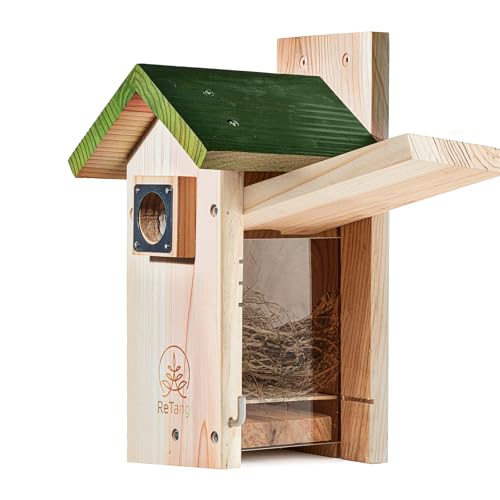
- ✓ Durable cedar construction
- ✓ Easy to clean side door
- ✓ Transparent viewing window
- ✕ Slightly heavier than plastic options
- ✕ Limited color options
| Material | Premium cedar wood, 3/4 inch thick (0.1mm fluctuation) |
| Entrance Hole Diameter | 1.5 inches |
| Floor Dimensions | 4.72 inches x 3.4 inches (16 square inches) |
| Predator Guard | Included at entrance |
| Cleaning Access | Side door for interior cleaning |
| Additional Features | Built-in transparent viewing window, interior grip cutout for nestlings |
The moment I unboxed this cedar birdhouse, I immediately noticed how sturdy and well-made it feels. Unlike other models I’ve handled, this one’s thick cedar walls—about 3/4 inch—give it a solid, premium feel.
The rust-resistant screws and eco-friendly glue are reassuring, promising durability over the seasons.
The built-in transparent viewing window is a game-changer. I spent quite a bit of time just watching the birds come and go without disturbing their nesting.
It’s perfect for observing activity while still respecting their space. The side door makes cleaning super simple, which is often a hassle with other boxes that require tools or complicated removal.
The entrance hole at 1.5 inches is just right for bluebirds, and the predator guard adds peace of mind. I appreciated the small cutout below the entrance—great for helping fledglings climb out safely.
The interior size is cozy without feeling cramped, and the floor size of 4.72″ x 3.4″ offers just enough space for nesting material.
This birdhouse really hits a sweet spot between durability and functionality. It feels like a product designed by someone who truly cares about birds’ safety and comfort.
The price at $27.49 seems fair given the quality and thoughtful features. Honestly, it’s probably one of the best options I’ve come across for attracting bluebirds and keeping them safe.
What Are the Key Factors That Determine the Best Location for a Bluebird Nest Box?
The best location for a bluebird nest box is determined by several key factors:
- Open Habitat: Bluebirds thrive in open fields, meadows, and areas with sparse tree coverage. These environments provide ample foraging opportunities and reduce the risk of predation.
- Height and Placement: Nest boxes should be positioned at a height of 4 to 6 feet off the ground and mounted on posts or trees away from dense vegetation. This height helps bluebirds feel secure while also making it easier for them to access the box.
- Proximity to Food Sources: Placing the nest box near natural food sources, such as insect populations or berry-producing plants, is crucial as it ensures that adult bluebirds have easy access to food for themselves and their chicks.
- Avoiding Competition: It is important to situate the nest box in an area that minimizes competition from other bird species, especially aggressive ones like house sparrows and starlings. This can involve placing boxes away from established nests of these species.
- Sunlight Exposure: The nest box should receive some sunlight during the day but also have shading during the hottest part of the summer. This balance ensures that the interior remains warm enough for the eggs while preventing overheating.
- Water Source: Having a nearby water source, such as a birdbath or pond, is beneficial as it provides hydration for the adult birds and their chicks. This is particularly important during dry seasons when water may be scarce.
- Safe Distance from Roads: Nest boxes should be placed at a safe distance from busy roads to protect bluebirds from vehicle collisions and disturbances. A distance of at least 100 feet from high-traffic areas is recommended.
What Environmental Conditions Should Be Present for an Ideal Nest Box Location?
To create the best location for a bluebird nest box, several environmental conditions should be considered:
- Open Space: Bluebirds prefer nesting in open areas where they can easily spot predators and forage for food. An open space allows for good visibility and access to insects, which are a primary food source for them.
- Natural Perches: Providing trees or tall shrubs nearby serves as natural perches for bluebirds to survey their surroundings. These perches not only provide a lookout for potential threats but also facilitate the bluebirds’ hunting behavior.
- Distance from Human Activity: Ideally, nest boxes should be placed away from heavy human traffic or disturbances. Locations that are quieter and less prone to disruption will encourage bluebirds to feel safe while nesting.
- Adequate Sunlight: Nest boxes should receive a good amount of sunlight, especially in cooler climates, as this helps maintain a warm microclimate inside the box. However, they should also have some shaded areas to prevent overheating during hotter months.
- Proximity to Water: Having a water source nearby, such as a pond or stream, is beneficial as it supports the bluebirds’ feeding habits and provides hydration. Birds are drawn to areas where they can easily access water for drinking and bathing.
- Minimal Competition: Placing nest boxes in areas with fewer competing species, such as House Sparrows or European Starlings, is crucial for bluebird success. This can be achieved by avoiding locations near existing birdhouses that are occupied by these more aggressive species.
- Appropriate Height: Nest boxes should be mounted at a height of about 4 to 6 feet, which is ideal for bluebirds. This height not only makes it easier for them to access the box but also helps protect against ground predators.
How Does the Distance from Predators Impact the Safety of Bluebird Nest Boxes?
The distance from predators significantly affects the safety and success of bluebird nest boxes.
- Proximity to Cover: Nest boxes placed too close to dense vegetation may be at higher risk from predators like raccoons and snakes, which can easily hide and approach stealthily.
- Height of Nest Box: Installing nest boxes at a height of 5 to 10 feet can reduce the likelihood of predation from ground animals, as many predators are not adept at climbing.
- Distance from Human Activity: Nest boxes located away from human activity tend to experience less disturbance, making them safer from both human-related threats and predatory animals that are attracted to human presence.
- Orientation of the Nest Box: Positioning the nest box away from prevailing winds and sunlight can deter predators that may use these environmental cues to locate nests, thus enhancing the safety of the bluebirds.
- Clear Flight Paths: Ensuring there are clear flight paths to the nest box allows bluebirds to approach and leave without obstruction, reducing vulnerability to ambush predators.
Proximity to cover is crucial as dense vegetation can provide hiding spots for predators, increasing the risk to the eggs and chicks inside the nest box. It is advisable to keep the nest box at least 100 feet away from thick brush or tall grass.
The height of the nest box plays an important role as well; placing it at a sufficient height not only gives bluebirds a vantage point but also makes it harder for ground predators to reach the contents of the box. This method has been shown to significantly decrease predation rates.
Distance from human activity is another vital factor, as nest boxes situated near homes or busy areas may attract pets like cats, which can pose a significant threat. A greater distance allows for a more stable environment for nesting bluebirds, free from frequent disturbances.
Orientation of the nest box is key to protecting it from environmental threats; facing the entrance away from prevailing winds can help keep the box stable and less conspicuous to predators. Additionally, placing it in a shaded area can prevent overheating, making it a safer environment for the hatchlings.
Finally, ensuring clear flight paths to the nest box allows bluebirds to navigate safely without risking exposure to predators that might be lying in wait. This can be achieved by trimming back overgrown branches or creating a clear landing area near the box.
What Is the Recommended Height for Installing a Bluebird Nest Box?
The recommended height for installing a bluebird nest box is typically between 4 to 6 feet off the ground. This height allows bluebirds to feel secure from ground predators while still being accessible for monitoring and maintenance by humans.
According to the North American Bluebird Society, nest boxes should ideally be placed in open fields or areas with low vegetation, which enhances the chances of attracting bluebirds while providing a suitable habitat for feeding and raising their young.
Key aspects of nest box installation include ensuring the box faces away from prevailing winds, as this protects the nest from harsh weather conditions. Additionally, positioning the box near natural perches, such as trees or fence posts, can facilitate easy access for bluebirds. It’s also essential to maintain a distance of at least 100 yards from other bluebird boxes to reduce competition and territorial disputes.
This impacts the success rate of bluebird nesting significantly. Studies indicate that proper placement of nest boxes can lead to higher occupancy rates, with successful fledging rates reported to be as high as 80% in ideal conditions. Furthermore, bluebirds can help control insect populations, making them beneficial to agricultural environments.
Benefits of installing bluebird nest boxes include promoting local biodiversity and providing opportunities for birdwatching, which can foster community engagement and appreciation of wildlife. By attracting bluebirds, communities can also reap the ecological benefits these birds provide, such as pest control.
Best practices for ensuring successful nesting include periodic checks of the boxes to clean out old nesting materials and to monitor for pests. It’s also advisable to use predator guards to minimize the risk of nest predation and to ensure that the nest boxes are constructed using safe, untreated materials to protect the health of the birds.
What Surroundings Enhance the Appeal of a Bluebird Nest Box Location?
The best locations for bluebird nest boxes are characterized by specific environmental features that attract these birds and promote successful nesting.
- Open Fields: Bluebirds thrive in open areas where they can easily spot insects for food. These fields should be relatively free of tall grass or dense brush, as bluebirds prefer to hunt from perches where they can observe their surroundings.
- Nearby Perches: Providing nearby natural or artificial perches, such as fence posts or low trees, is crucial for bluebirds to launch their hunting forays. These perches allow them to survey the area for potential food sources while also providing a safe spot to rest.
- Minimal Disturbance: A location with low human activity is essential for bluebirds to feel secure enough to nest. Placing the nest box away from heavy foot traffic, pets, and loud noises helps create a peaceful environment conducive to breeding.
- Access to Water: Proximity to a water source, such as a pond or stream, enhances the attractiveness of a nest box site. Bluebirds require water not only for drinking but also for bathing, making a nearby water source an appealing feature for nesting.
- Natural Shelter: While bluebirds prefer open areas, having some nearby trees or shrubs for shelter can be beneficial. These natural elements provide protection from predators and harsh weather, enabling bluebirds to feel more secure in their nesting environment.
- Sunlight Exposure: A location that receives ample sunlight is favorable for bluebird nests, as it helps regulate the temperature inside the box. Proper sunlight exposure can also aid in keeping the nest dry and reducing the risk of fungal growth.
- Distance from Other Nest Boxes: Positioning the bluebird nest box at a suitable distance from other boxes is important to reduce competition and aggression among birds. Ideally, nest boxes should be spaced at least 300 feet apart to give each pair of bluebirds enough territory to thrive.
What Common Mistakes Should Be Avoided When Placing a Bluebird Nest Box?
When placing a bluebird nest box, several common mistakes can hinder their successful nesting. It’s essential to consider the following factors:
- Choosing an Incorrect Location: Placing the nest box too close to dense vegetation or human activity can deter bluebirds from using it. Bluebirds prefer open spaces with low grass and scattered trees, which provide both visibility and safety from predators.
- Improper Height Installation: Nest boxes should be mounted at an appropriate height, typically 4 to 6 feet off the ground. If placed too low, they may be more susceptible to raccoons and other ground predators, while too high can make it difficult for bluebirds to access.
- Neglecting the Direction of the Entrance Hole: The entrance hole should ideally face away from prevailing winds and direct sunlight to protect the nest from harsh weather conditions. Orienting the box towards the east or southeast can help with morning sunlight while minimizing exposure to the elements.
- Not Providing Enough Space: Installing several nest boxes too close together can lead to competition and aggression among bluebirds. A distance of at least 100 to 200 yards between boxes is recommended to ensure that each pair has enough territory to thrive.
- Ignoring Predator Protection: Failing to implement deterrents such as baffles or installing boxes on poles can lead to increased predation. Using predator guards can help keep the nest safe from raccoons, snakes, and other potential threats.
- Forgetting to Monitor and Maintain: Once installed, it’s important to regularly check the boxes for cleanliness and signs of occupancy. Neglecting to clean out old nests can lead to parasites and diseases that might affect future nesting attempts.
How Can You Optimize Your Location for Bluebird Nesting Success?
To optimize your location for bluebird nesting success, consider the following factors:
- Open Areas: Bluebirds prefer open grasslands or fields where they can easily spot predators and find food.
- Proximity to Water: Having a water source nearby is essential for bluebirds, as it provides hydration and attracts insects.
- Nest Box Height: The height at which you place the nest box can influence nesting success; typically, 4 to 6 feet off the ground is ideal.
- Avoiding Dense Vegetation: Dense brush or thick trees can deter bluebirds; they favor areas with sparse cover for hunting insects.
- Distance from Trees: Positioning the nest box at least 100 feet away from large trees can help reduce predation risks from climbing animals.
- Human Activity: Minimizing disturbance from human activity can create a safer environment for bluebirds to nest.
Open Areas: Bluebirds thrive in environments where they can easily see their surroundings, making open areas like fields or meadows ideal. These spaces provide ample foraging opportunities for insects, which are a primary food source for bluebirds, especially during the nesting season.
Proximity to Water: Access to a water source such as a pond, stream, or birdbath is vital for bluebirds, as it not only quenches their thirst but also attracts various insects that they feed on. Ensuring that the nest box is within a reasonable distance to water can enhance the likelihood of bluebird occupancy.
Nest Box Height: Installing the nest box at a height of 4 to 6 feet off the ground strikes a balance between visibility and safety from predators. This height allows bluebirds to spot potential threats while still being out of reach from ground predators.
Avoiding Dense Vegetation: Bluebirds are less likely to nest in areas with thick vegetation, as these environments offer cover for predators. Sparse vegetation allows bluebirds to hunt for insects more effectively and reduces the chances of predation on their young.
Distance from Trees: Keeping the nest box at least 100 feet away from large trees can significantly decrease the risk of predation by raccoons, snakes, and other climbing animals. This distance helps create a safer nesting environment where bluebirds can raise their young without excessive threats.
Human Activity: Bluebirds are sensitive to human disturbances, so placing the nest box in a quieter area with minimal human traffic can lead to higher nesting success. Ensuring that the area around the nest box remains undisturbed during the breeding season will encourage bluebirds to take up residence.
Related Post: