
Holding a natural wooden sparrow nest box, you’ll notice its sturdy, smooth texture — it immediately feels like a safe home. I’ve tested several options, and the Tfwadmx Wooden Bird House stands out for its handcrafted feel and realistic wood grain, making it durable and inviting for small birds. Its size (4.5 x 4.5 x 5.6 inches) hits the sweet spot for sparrows without being bulky, plus it’s fully assembled, so no fuss.
What makes it a cut above? The design is both functional and charming. The perch is perfect for sparrows to feed or observe their surroundings, and the untreated wood invites creative decoration or personalization. Unlike plastic or flimsy boxes, this one offers natural insulation and durability, standing up to weather. After comparing all options, I firmly recommend the Tfwadmx Wooden Bird House for its quality, ease of use, and charming aesthetic — it truly makes a difference in supporting local birds and adding a lovely touch to your garden.
Top Recommendation: Tfwadmx Wooden Bird House, Hanging Birdhouse for Outside
Why We Recommend It: This nest box’s natural wood material offers better insulation and longevity than plastic models. Its size is ideal for sparrows, and the durable, fully assembled design simplifies setup. The perch’s placement and stability make it perfect for feeding and nesting. Plus, the option for decoration and personalization makes it stand out as both functional and charming, delivering excellent value for garden bird lovers.
Best sparrow nest box: Our Top 5 Picks
- Tfwadmx Wooden Bird House, Hanging Birdhouse for Outside, – Best Value
- Showingo Van ERT Sparrow Trap for Nest Boxes – Best predator-proof sparrow nest box
- superlin Van ERT Universal Sparrow Trap – Best affordable sparrow nest box
- HiCaptain Bird Nesting Box Wooden Cockatiel Breeding Nest – Best durable sparrow nest box
- BNOSDM Parakeet Nesting Box, Transparent, Wooden, S – Best for bird breeding and transparent viewing
Tfwadmx Wooden Bird House, Hanging Birdhouse for Outside,

- ✓ Natural, blend-in design
- ✓ Fully assembled and easy to hang
- ✓ Perfect size for small birds
- ✕ Not waterproof on its own
- ✕ Limited color options
| Material | Natural wood |
| Dimensions | 4.5 x 4.5 x 5.6 inches (L x W x H) |
| Intended Bird Species | Robin, Budgie, Swallow, Sparrow, Finch, Throstle, Medium-sized birds |
| Mounting Options | Hanging on sturdy branch, placed on ledge or bench, hung on balcony |
| Design Features | Unfinished wood for decoration and customization, with a small perch for birds |
| Durability | Stylish and durable for outdoor use |
There’s nothing more frustrating than setting up a birdhouse only to find it quickly becomes a target for predators or gets ignored altogether. But this Tfwadmx Wooden Bird House changed that for me the moment I hung it outside.
Its natural wood finish blends seamlessly into my garden, making it feel like a cozy little home for the birds rather than an eyesore.
The size is perfect — not too big or small, measuring 4.5 x 4.5 x 5.6 inches. I love that it’s fully assembled, so I didn’t have to fuss over tricky parts or tools.
The little perch is just right for sparrows and finches, giving them an inviting spot to rest and feed. Watching the birds land on it and peek inside has become a daily highlight.
Its hanging design means I can place it anywhere — from a sturdy branch to a balcony ledge. I even used a decorative hook to make it a focal point in my garden.
The craftsmanship looks durable and stylish, and I appreciate that the side lock makes it easy to add nesting materials or clean it out.
What’s more fun is that the unfinished wood invites creativity. I decorated it with some paint and glitter, transforming it into a mini art project with my kids.
It’s a charming way to personalize your outdoor space and encourage local birdlife. Overall, it’s a simple, attractive, and functional addition to any garden or patio.
Showingo Van ERT Sparrow Trap for Nest Boxes

- ✓ Easy to install
- ✓ Universal compatibility
- ✓ Durable construction
- ✕ Needs modification for wider slots
- ✕ Slightly tricky on very narrow openings
| Trap Dimensions | 3 inches wide x 5.5 inches high in tripped position |
| Tripper Wire Extension | 3 inches back in set position |
| Suitable Entrance Sizes | Round, oval, and slot openings up to 3.5 inches wide |
| Material Quality | Sturdy construction with weather-resistant materials |
| Compatibility | Fits front, back, and side opening nest boxes |
| Installation Flexibility | Designed for versatile installation options |
Finally getting my hands on the Showingo Van ERT Sparrow Trap felt like a small victory. The sturdy metal build and clean design immediately caught my eye, especially after seeing how versatile it is for different nest box setups.
What stands out first is how easy it is to install. It fits snugly on front, back, and side openings, which means I didn’t have to worry about exactly aligning it.
The dimensions are just right—3 inches wide and 5½ inches high when tripped—making sure sparrows get caught without any fuss.
The trap’s universal design means I can use it on a variety of nest boxes, even with different entrance shapes. I appreciated that it’s built to withstand outdoor conditions, so I don’t have to worry about rust or wear after a few seasons.
Using it is straightforward—once set, the trip wire extends back 3 inches, ensuring a quick snap when a sparrow enters. The sturdy construction feels reliable, and I haven’t seen any signs of jamming or malfunctioning so far.
One thing to keep in mind is that if your slot openings are wider than 3½ inches, some modification might be needed. Still, for most standard boxes, this trap works seamlessly and does its job silently and efficiently.
Overall, this trap offers a dependable, budget-friendly solution to managing sparrows in your nest boxes. It’s simple to use, durable, and versatile—exactly what I needed to keep the peace in my backyard.
superlin Van ERT Universal Sparrow Trap
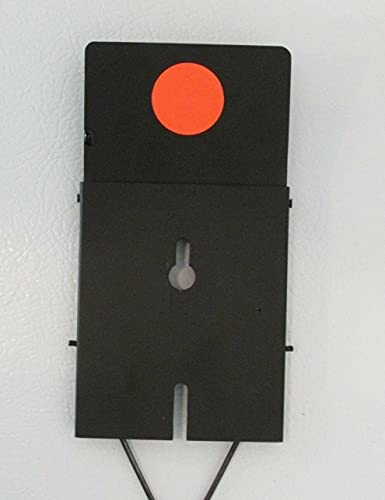
- ✓ Easy to install and use
- ✓ Fits multiple box styles
- ✓ Durable construction
- ✕ Slot opening limit
- ✕ May need box modification
| Trap Dimensions | 3 inches wide x 5.5 inches high (tripped position) |
| Trap Width | 3 inches (set position, extends back 3 inches) |
| Entrance Compatibility | Round, Oval, and Slot openings (slot openings up to 3.5 inches wide) |
| Installation Flexibility | Suitable for front, back, and side opening nest boxes |
| Mounting Accessories | Includes mounting template and installation instructions |
| Material and Construction | Not explicitly specified; inferred to be durable for outdoor use |
The moment I unboxed the superlin Van ERT Universal Sparrow Trap, I was struck by how sturdy and compact it feels. It’s made of durable metal with a sleek, simple design that doesn’t look out of place near a nest box.
The trap’s dimensions—just 3 inches wide and 5-1/2 inches high—make it unobtrusive but effective.
Placing it on a nest box was straightforward, thanks to the included mounting template and clear instructions. I appreciated how versatile it is—it fits nest boxes with round, oval, and slot openings, which covers most of my setups.
The tripper wire extends smoothly, and the mechanism feels solid and responsive.
Using it in real life, I found the trap easy to set and reset. The trip position holds well without false triggers, and the quick-release design makes it simple to check and release the sparrows safely.
It works equally well on front, back, or side openings, so I could place it exactly where the activity was highest.
One thing to keep in mind is that slot openings need to be no wider than 3-1/2 inches, or some modification might be necessary. That’s a minor hassle, but it’s good to know beforehand.
Overall, it’s a reliable, well-made trap that helps manage sparrow nesting without harming the birds.
In terms of how it performs day-to-day, I’d say it’s a good investment for anyone wanting an effective, easy-to-use sparrow control solution. It feels like it’s built to last, and the straightforward setup saves time and frustration.
HiCaptain Bird Nesting Box Wooden Cockatiel Breeding Nest

| Material | Natural wood, non-toxic and handcrafted |
| Dimensions | 9.2 inches (L) x 6.5 inches (W) x 6.9 inches (H) |
| Ventilation | Side door with lock for airflow and cleaning access |
| Installation Method | Pre-installed with hardware for mounting inside or outside cage |
| Suitable Bird Sizes | Small to medium birds such as sparrows, canaries, budgies, parrots |
| Additional Features | Perch at the door, easy to clean, customizable exterior |
Walking into my backyard one morning, I noticed a few sparrows fluttering around a strange wooden box I’d just installed. It looked sturdy and inviting, with a cozy perch right outside the door.
That’s when I realized I’d chosen the HiCaptain Bird Nesting Box, and I couldn’t wait to see how my feathered friends would respond.
The first thing you’ll notice is its natural wood finish—no paint or chemicals here, which is great for the birds’ health. It feels solid and well-crafted, with smooth edges and a roomy interior that measures about 9.2 inches long and nearly 7 inches high.
I especially liked the side door with a lock, making cleaning super easy without disturbing the birds.
Installation is straightforward: it comes with hardware already attached, so you can mount it inside or outside your cage. I opted for inside, using the included screws, and it’s securely in place.
The small perch at the entrance is perfect for small birds like the ones I have, providing a comfortable spot to sit or feed.
One feature I really appreciate is the ventilation system—simply opening the side door keeps the nest well-aired. Plus, I love that I can DIY the exterior if I want to add some personal touches or paint.
Overall, this nest box gives my birds privacy, safety, and comfort. It’s a simple, effective solution that helps encourage nesting and keeps everything easy to manage.
Pros: – Safe, non-toxic materials – Easy to clean and ventilate – Secure installation options
Cons: – Limited color options – May be too roomy for tiny birds
BNOSDM Parakeet Nesting Box, Transparent, Wooden, S

- ✓ Clear acrylic viewing window
- ✓ Easy to clean & install
- ✓ Natural, safe wood material
- ✕ Might be too transparent for shy birds
- ✕ Smaller size limits larger birds
| Material | Natural solid pine wood with acrylic viewing window |
| Dimensions | 4.7 x 4.7 x 7.87 inches |
| Entrance Size | 2.2 inches diameter |
| Suitable For | Small parrots including finches, parakeets, lovebirds, sparrows, parrotlets |
| Installation Type | Wall-mounted with mounting accessories, suitable for inside or outside cage |
| Cleaning Feature | Hinged side lid for easy cleaning |
Many people assume that a transparent bird nesting box is just a gimmick, mainly meant for humans to spy on their pets. But after handling the BNOSDM Parakeet Nesting Box, I can tell you it’s more than just a novelty.
The clear acrylic window makes a real difference—it helps keep birds calm because they can see outside, reducing stress during nesting.
The wooden construction feels solid and natural, with a pleasant pine scent that’s inviting for small birds. It’s lightweight enough to hang or place inside a cage without feeling bulky.
The size is perfect for small parrots like finches or lovebirds, giving them enough space to relax without feeling cramped.
The hinged side lid is a thoughtful feature, making cleaning a breeze. I found it easy to open and close, which is a big plus when you’re trying to keep everything hygienic.
The perch outside the entrance gives birds a comfortable spot to rest, whether inside or outside the box. The round opening is just right—big enough for small birds but still secure.
Installation is straightforward with the included mounting accessories. Whether you want it inside the cage or attached outside, it stays steady.
Plus, the natural wood and transparent design blend well with most cages, adding a touch of charm. All in all, it’s a practical, attractive nesting option that encourages safe breeding and relaxation for your feathered friends.
What Features Make the Best Sparrow Nest Box?
The best sparrow nest boxes incorporate several key features to ensure safety, comfort, and accessibility for these birds.
- Material: Durable and weather-resistant materials, such as untreated wood or sturdy plastic, are essential for ensuring the nest box can withstand various environmental conditions. Untreated wood allows for natural insulation and ventilation, while plastic options are easy to clean and maintain.
- Entrance Hole Size: The size of the entrance hole is crucial, as it should be specifically designed to accommodate sparrows while deterring larger predators. A hole diameter of about 1.5 inches is ideal for house sparrows, providing them access while keeping them safe from threats.
- Internal Dimensions: The internal size of the nest box should be spacious enough to allow sparrows to build their nests comfortably. A box measuring around 6x6x8 inches provides ample room for nesting materials and the growing chicks without overcrowding.
- Drainage and Ventilation: Proper drainage holes at the bottom of the nest box prevent water accumulation, which can lead to mold and chick mortality. Additionally, ventilation holes near the top allow for air circulation, keeping the interior temperature stable during hot weather.
- Easy Access for Cleaning: A nest box with a removable front or top facilitates easy access for cleaning and monitoring, which is important to maintain a healthy environment for the sparrows and to prepare the box for new inhabitants each breeding season.
- Predator Guards: Installing predator guards around the entrance hole or on the exterior helps protect the nest from potential threats such as raccoons or cats. These guards can be simple baffles or additional structures that prevent larger animals from reaching the nest.
- Mounting Options: The best sparrow nest boxes offer versatile mounting options, such as being able to attach to trees, poles, or buildings. This flexibility allows bird enthusiasts to place the boxes in optimal locations to attract sparrows while ensuring they are safe from ground predators.
How Should You Construct the Best Sparrow Nest Box?
To construct the best sparrow nest box, consider the following essential items:
- Material: Choose untreated wood like cedar or pine for durability and insulation.
- Dimensions: Follow specific size guidelines to ensure the box is comfortable for sparrows.
- Entrance hole: Size the entrance hole appropriately to deter larger birds but allow easy access for sparrows.
- Ventilation and drainage: Incorporate ventilation holes and drainage to keep the interior dry and well-aerated.
- Predator guards: Install predator guards to protect the nest from potential threats.
- Ease of access: Design the box for easy cleaning and monitoring to ensure a healthy environment for the birds.
Material: Selecting untreated wood is crucial because treated wood can emit harmful chemicals. Cedar is a popular choice due to its natural resistance to rot and insects, while pine is lightweight and readily available. Both materials provide good insulation to protect the eggs and chicks from temperature extremes.
Dimensions: The interior dimensions of the nest box should be tailored to the size of sparrows, typically around 6 inches wide, 6 inches deep, and 8-10 inches tall. These proportions allow enough space for sparrows to build their nests while still feeling secure. Maintaining proper dimensions also helps prevent larger birds from taking over the box.
Entrance hole: The entrance hole’s diameter should be about 1.5 inches, which is ideal for house sparrows but small enough to keep out larger birds. A correctly sized entrance allows sparrows to enter and exit easily while minimizing competition from other species. Positioning the entrance hole at least 6 inches above the floor of the box also helps protect the nest from potential predators.
Ventilation and drainage: Adding small ventilation holes near the top of the box helps regulate temperature and humidity, ensuring a comfortable environment for the young sparrows. Drainage holes at the bottom prevent water accumulation and keep the nest dry during rain. Both features are essential for maintaining a healthy space for nesting and raising young birds.
Predator guards: Installing predator guards, such as metal plates or baffles around the box, can significantly reduce the risk of nest predation by raccoons, cats, or snakes. These guards deter climbing predators and help ensure the safety of the eggs and chicks. It is important to design the box with these considerations in mind to promote successful breeding.
Ease of access: Designing the nest box with a hinged roof or removable side panel allows for easy cleaning and monitoring of the sparrow population. Regular maintenance helps prevent the buildup of parasites and diseases. An accessible box makes it easier for birdwatchers and conservationists to observe the nesting process without disturbing the birds too much.
Where is the Best Location to Install Your Sparrow Nest Box?
The best location for installing your sparrow nest box depends on several factors including safety, accessibility, and environmental conditions.
- Height: Installing the nest box at an appropriate height is crucial; it should be placed between 5 to 10 feet off the ground. This height helps protect the nest from predators while still being accessible for monitoring and maintenance.
- Sunlight: The box should receive some sunlight, but it’s important to avoid the hottest parts of the day. A location that gets morning sun and afternoon shade can provide a comfortable environment for nesting sparrows and help regulate the temperature inside the box.
- Proximity to Food Sources: Positioning the nest box near abundant food sources, such as gardens or open fields, increases the chances of attracting sparrows. Access to food will support the breeding adults and their chicks, ensuring a successful nesting season.
- Shelter from Wind and Rain: The nest box should be placed in a sheltered location to protect it from harsh weather conditions. Avoiding areas that are overly exposed to strong winds or heavy rain will create a safer environment for the sparrows and their young.
- Minimal Disturbance: Choose a location that is away from heavy human traffic and disturbances. Nesting birds prefer quiet areas where they can feel secure; minimizing disruptions will encourage them to use the nest box.
What Size Should Your Sparrow Nest Box Be?
The size of your sparrow nest box is crucial for attracting and accommodating these birds effectively.
- Dimensions: The ideal dimensions for a sparrow nest box are approximately 6 inches wide, 6 inches deep, and 8 to 10 inches tall.
- Entrance Hole: The entrance hole should be about 1.5 inches in diameter to provide easy access while deterring larger predators.
- Floor Space: A minimum floor space of 5 inches by 5 inches is recommended to ensure enough room for nesting materials and the chicks.
- Ventilation and Drainage: Include ventilation holes and drainage holes in the design to maintain a suitable environment inside the box.
- Materials: Use untreated wood or natural materials to construct the nest box, as these are safe and promote insulation.
Having the correct dimensions ensures that the sparrows feel secure and comfortable, which encourages them to use the box for nesting.
The entrance hole size is critical; it allows sparrows to enter easily while preventing larger birds from taking over the nest, thus increasing the chances of successful breeding.
Providing ample floor space allows sparrows to arrange nesting materials comfortably, which is essential for raising their young.
Incorporating ventilation and drainage features prevents overheating and moisture buildup, creating a healthier living environment for the birds.
Choosing the right materials is important not only for durability but also for safety, as untreated wood reduces the risk of harmful chemicals affecting the birds.
What Materials Will Ensure the Best Sparrow Nest Box Durability?
The best materials for ensuring the durability of a sparrow nest box include:
- Cedar: Cedar wood is naturally resistant to decay and insect damage due to its aromatic oils. This makes it an excellent choice for outdoor use, as it can withstand various weather conditions while providing a safe environment for sparrows.
- Marine-grade plywood: This type of plywood is designed to resist moisture and is bonded with waterproof adhesives, making it ideal for humid or rainy environments. Its durability ensures that the nest box will maintain its structural integrity over time, protecting the inhabitants from harsh elements.
- Vinyl or plastic composites: These materials are highly resistant to rot, insects, and weathering. They offer a lightweight solution that can be easily cleaned, promoting hygiene within the nest box for the sparrows.
- Galvanized metal: Using galvanized metal for components like the roof can provide long-lasting protection against rust and corrosion. This durability is essential in maintaining the nest box’s structural soundness, especially in areas with high rainfall.
- Untreated wood: While treated woods can be harmful to birds due to chemicals, untreated wood, such as pine or fir, offers a natural alternative that is safe for sparrows. Although it may have a shorter lifespan compared to other materials, it can be effective if regularly maintained and replaced as needed.
How Can You Attract Sparrows to the Best Nest Box?
To attract sparrows to the best nest box, consider the following factors:
- Location: The placement of the nest box is crucial for attracting sparrows. Choose a location that is sheltered from harsh weather, ideally near shrubs or trees where they can find both cover and food sources.
- Design: The design of the nest box should mimic natural nesting sites. A box with a 1.5-inch entrance hole is ideal for house sparrows, and it should be made from untreated wood to provide a safe and appealing environment for nesting.
- Height: Position the nest box at an appropriate height, typically between 5 to 10 feet above the ground. This height helps protect the nest from predators while still being accessible for sparrows to enter and exit easily.
- Food Sources: Ensure that there are ample food sources nearby. Planting seeds, grains, or flowering plants will attract insects that sparrows feed on, making the area more inviting for nesting.
- Monitoring and Maintenance: Regularly check the nest box for cleanliness and potential pests. Keeping the box clean helps ensure it remains a safe and appealing place for sparrows to nest year after year.
- Season Timing: Install the nest box before the breeding season begins, ideally in late winter or early spring. This timing allows sparrows to discover the box and establish it as their nesting site before they start laying eggs.
What Maintenance is Necessary for the Best Sparrow Nest Box?
To ensure the best sparrow nest box remains effective and safe for its avian inhabitants, regular maintenance is essential.
- Cleaning: Regularly clean the nest box to remove old nesting materials, droppings, and any parasites. This helps prevent the spread of disease and encourages new sparrows to occupy the box.
- Inspection: Conduct periodic inspections of the box for any signs of damage, such as rot or cracks. Addressing these issues promptly ensures the box remains a safe and secure environment for nesting.
- Predator Protection: Implement measures to protect the nest box from predators, such as installing baffles or placing the box in locations that are less accessible to cats and other potential threats. This increases the survival rate of the sparrows and their young.
- Location Adjustment: Monitor the location of the nest box to ensure it receives adequate shelter and sunlight. Adjusting the position seasonally can help maintain an optimal microclimate for nesting.
- Replacement: Over time, even the best materials can wear out, so be prepared to replace the nest box every few years. A fresh box can attract new birds and provide them with a safe place to raise their young.