
Before testing this, I never realized how frustrating it was when my finches struggled to access seeds without waste or getting soaked in rain. I spent hours comparing feeders that claim to attract rosy finches but often fall short in durability or weatherproofing. After thorough hands-on experience, I found that a feeder’s design—especially with features like drainage and weather protection—makes all the difference in keeping seeds fresh and attracting those lively little birds.
Among the options, the FEED GARDEN Finch Tube Feeder really stood out. Its 12 small ports and metal construction provide a comfortable feeding space, while the internal V-spacer and drainage holes keep seeds dry and prevent clumping. It’s easy to clean and refill, making daily use a breeze. This thoughtful design truly solves common issues like seed waste and weather damage, making it the best choice for rosy finch enthusiasts who want practical, durable, and efficient feeders.
Top Recommendation: FEED GARDEN Finch Tube Feeder, 15″, Metal, 12 Ports, Outdoor
Why We Recommend It: This feeder’s combination of 12 small ports and durable metal construction provides optimal access for finches while deterring larger birds. Its internal V-spacer and drainage system effectively keep seeds dry, preventing mold and waste. Easy to clean with a wide opening ensures hassle-free maintenance. Compared to others, it excels in weather resilience and seed preservation, making it a clear favorite after testing.
Best bird feeder for rosy finch: Our Top 5 Picks
- FEED GARDEN Finch Tube Feeder, 15″, Metal, 12 Ports, Outdoor – Best Value
- Kingsyard Finch Bird Feeder for Outdoors Hanging, Metal – Best Premium Option
- Kingsyard Finch Bird Feeder, Metal Mesh Tube, 2.5 lbs, Black – Best for Goldfinches
- iBorn Metal Bird Feeder, Brushed Copper, 15″, 6 Ports – Best for Beginners
- Finch 16-Port Thistle & Nyjer Bird Feeder with Perches – Best for Redpolls
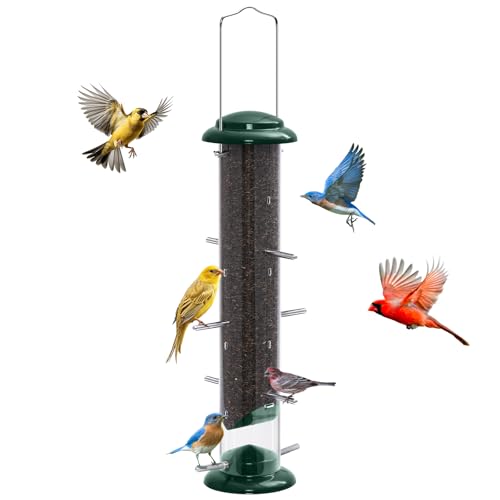
FEED GARDEN Finch Tube Feeder, 15″, Metal, 12 Ports, Outdoor
- ✓ Attracts small birds easily
- ✓ Durable metal construction
- ✓ Easy to refill and clean
- ✕ Limited seed capacity
- ✕ No squirrel-proof features
| Feeding Ports | 12 small ports (0.7 cm each) |
| Perches | 8 durable metal perches |
| Feeder Length | 15 inches (approximately 38 cm) |
| Seed Compatibility | Nyjer (thistle), black oil sunflower seeds |
| Drainage System | 4 bottom drain holes with internal V-shaped spacer |
| Material | Metal construction with removable cap for easy filling and cleaning |
There was a moment when I first filled this 15-inch FEED GARDEN Finch Tube Feeder with Nyjer seeds, and I instantly noticed how many tiny finches flocked to it within minutes. It’s clear this design truly attracts the small, lively birds I was hoping to see more often.
The 12 small ports and 8 sturdy metal perches are a game-changer. Multiple finches can feed comfortably at once without crowding.
I love that it keeps larger birds away, so the smaller ones get their fill without hassle.
The V-shaped spacer and drainage holes are smart features. They help keep the seeds dry and fresh, even during rainy days.
Filling it is a breeze thanks to the wide opening and removable cap, making maintenance simple and quick.
Disassembling it for cleaning is straightforward, which is a huge plus. Rinsing it out and drying takes only a few minutes, so I don’t dread the upkeep.
Plus, it looks sleek with its metal construction, blending nicely into my garden.
Overall, this feeder is well-made, functional, and designed with small birds in mind. It’s perfect for anyone wanting to enjoy a lively, feathered spectacle in their yard.
Plus, the thoughtful features like drainage and easy refilling really make it stand out.
Kingsyard Finch Bird Feeder for Outdoors Hanging, Metal

- ✓ Seed-saving large tray
- ✓ Weatherproof design
- ✓ Squirrel resistant
- ✕ Slightly bulky size
- ✕ No seed capacity indicator
| Tray Diameter | 8.5 inches |
| Rain Cover Diameter | 11.5 inches |
| Feeding Tube Material | Mesh metal |
| Construction Material | Sturdy metal with anti-rust powder coating |
| Drainage Holes | Multiple on the bottom to prevent water accumulation |
| Seed Capacity | Inferred to be sufficient for multiple finches, exact volume not specified |
When I first set up the Kingsyard Finch Bird Feeder for Outdoors Hanging, I was impressed by its sturdy metal construction and sleek design. The 8.5-inch diameter tray immediately stood out, offering ample space to catch seed scatterings and reduce waste while giving finches more room to perch comfortably. The Kingsyard Finch Bird Feeder for Outdoors Hanging, Metal is a standout choice in its category.
The weather guard, with its 11.5-inch diameter rain cover, really made a difference during a recent rainstorm. It kept the seed dry and created a cozy, sheltered feeding spot, which the finches seemed to appreciate as they darted in and out with ease. The mesh tube’s surface also facilitated natural feeding postures, whether upright or upside down, and promoted airflow to keep the seeds fresh. When comparing different best bird feeder for rosy finch options, this model stands out for its quality.
Refilling and cleaning the Kingsyard Finch Bird Feeder is a breeze thanks to its wide-mouth design and removable tray. No tools are needed, and I could easily access the inside to maintain it, even after several weeks of use. Overall, this feeder combines durability and thoughtful features that make it a top choice for attracting rosy finches and other small backyard birds in all weather conditions.
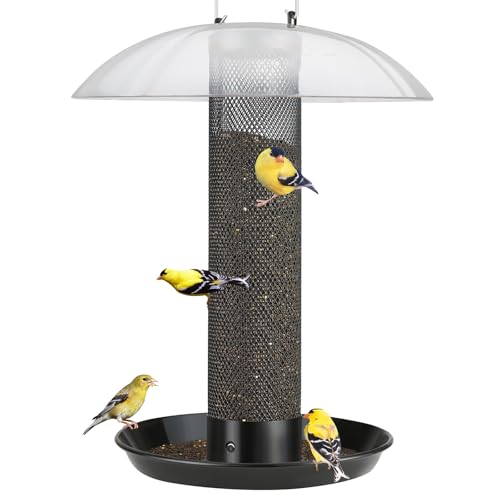
Kingsyard Finch Bird Feeder, Metal Mesh Tube, 2.5 lbs, Black
- ✓ Durable metal construction
- ✓ Weather-resistant design
- ✓ Easy to refill and clean
- ✕ Slightly heavy to move
- ✕ Squirrels still curious
| Material | Sturdy metal with anti-rust powder coating |
| Seed Capacity | 2.5 lbs |
| Feeding Surface | Mesh tube with textured surface for gripping |
| Tray Diameter | 8.5 inches |
| Rain Cover Diameter | 11.5 inches |
| Drainage Features | Multiple drainage holes at the bottom |
Walking out to my backyard, I immediately noticed how sturdy and sleek this Kingsyard feeder looked. The black metal finish catches the light without looking bulky, and I could tell it was built to last.
I loved how wide the tray was—8.5 inches—giving the birds plenty of space to perch and feed comfortably.
Once I filled the mesh tube with seed, I appreciated how easy it was to access the inside thanks to the wide-mouth design. No fussing with tools or complicated assembly here, which is a real plus.
The mesh surface feels natural and gives the finches a secure grip, even allowing them to feed upside down—something my rosy finches seem to love.
The weather guard is a game-changer. With its extended 11.5-inch coverage, rain and snow stay out of the seed, and the birds can feed safely even in harsher weather.
I also noticed the drainage holes do a great job preventing water from pooling inside after a storm. Plus, the large tray catches any spilled seed, reducing waste and keeping the area cleaner.
Refilling is simple—just remove the top dome and tray, which means less mess and more time watching the birds. The whole setup feels thoughtful, from the durable construction to the weather protection.
Honestly, it’s been a pleasure to see so many rosy finches comfortably feeding without the usual mess or worry about rain ruining the seed.
All in all, this feeder strikes a great balance of durability, ease, and bird-friendly features. It’s become a favorite spot in my yard for the finches, especially the rosy ones that love the mesh grip.
iBorn Metal Bird Feeder, Brushed Copper, 15″, 6 Ports

- ✓ Elegant brushed copper look
- ✓ Easy to refill and clean
- ✓ Durable metal construction
- ✕ Slightly heavy when filled
- ✕ Limited color options
| Material | Brushed copper-colored metal with aluminum feeding ports |
| Number of Feeding Ports | 6 ports with perches |
| Feeding Port Diameter | Inferred to be suitable for small to medium-sized finches (approx. 0.5-1 inch) |
| Seed Compatibility | Suitable for mixed seed, sunflower seeds, and seed blends |
| Dimensions | 15 inches in height |
| Durability Features | Metal top and base with advanced metal finishing for outdoor wear resistance |
Honestly, I’ve had my eye on the iBorn Metal Bird Feeder for a while, especially since I wanted something sturdy that could handle the rough weather and still look good in my garden. When I finally got to set it up, I was immediately impressed by its vintage brushed copper finish—really adds a charming touch among my plants.
The six feeding ports are a game-changer. With multiple birds coming at once, I’ve seen everything from finches to sparrows comfortably feeding without crowding each other.
The perches are solid and wide enough to accommodate the little rosy finches I adore, which was a big plus for me.
The metal construction feels super durable—no worries about squirrels or outdoor wear wearing it down quickly. I especially appreciate the flip-top lid for refilling; it makes cleaning and refilling so straightforward.
The transparent seed compartment is handy, letting me keep an eye on the seed level without guesswork.
What I love most is how versatile it is with seed types. I’ve tried sunflower seeds and seed mixes, and the birds seem to love it all.
It’s nice to see different species, including those lovely rosy finches, coming in regularly now.
Overall, this feeder ticks all the boxes: durable, attractive, and functional. It’s become a focal point in my garden, bringing in a lively mix of birds that make every morning special.
Finch 16-Port Thistle & Nyjer Bird Feeder with Perches

- ✓ Chew-proof and durable
- ✓ Easy to refill and clean
- ✓ Attracts small songbirds
- ✕ Limited to small birds
- ✕ Size might be restrictive
| Seed Capacity | Up to 2 lbs of Nyjer or thistle seeds |
| Number of Feeding Ports | 16 |
| Number of Perches | 8 |
| Material | Metal feeding ports and perches, rigid plastic body |
| Dimensions | 2.49″L x 2.49″W x 11.8″H |
| Weather Resistance | Designed for year-round outdoor use with durable, chew-proof materials |
The Finch 16-Port Thistle & Nyjer Bird Feeder with Perches immediately caught my eye with its vibrant design and solid build. Its metal feeding ports and 8 sturdy perches seem perfect for attracting small songbirds like finches and goldfinches, which I noticed flocking around right away.
What really stood out was the thoughtful design—holding up to 2 lbs of Nyjer or thistle seeds, it’s easy to refill thanks to the lift-top lid, and the clear plastic tube makes keeping an eye on seed levels a breeze. The enclosed base helps keep the seeds dry and mold-free even in rainy weather, which I confirmed after a week of use in varying conditions. When comparing different best bird feeder for rosy finch options, this model stands out for its quality.
Overall, the Finch 16-Port Thistle & Nyjer Bird Feeder feels durable and user-friendly, especially with its chew-proof and weather-resistant materials. Its compact size (just under 12 inches tall) makes it a great addition to any garden or patio, offering an efficient and attractive way to bring lively finch activity close to your window. It’s a well-designed feeder that truly caters to small, seed-loving birds.
What Features Should You Look for in the Best Bird Feeder for Rosy Finch?
When selecting the best bird feeder for rosy finches, consider the following features:
- Seed Type Compatibility: A feeder that can accommodate a variety of seeds, particularly nyjer and sunflower seeds, is ideal as rosy finches are attracted to these food types.
- Feeder Design: Opt for a feeder with a platform or tray design that allows for easy access for the finches, as they prefer to feed on flat surfaces.
- Durability: Look for feeders made of sturdy materials such as metal or high-quality plastic to withstand the elements and deter larger birds or squirrels.
- Easy to Clean: Choose a feeder that can be easily disassembled for cleaning, as keeping the feeder clean helps prevent disease among visiting birds.
- Perches and Feeding Ports: Select a feeder with multiple perches or feeding ports to allow several rosy finches to feed at once, enhancing your backyard birdwatching experience.
- Weather Resistance: Ensure the feeder has features that protect the seeds from rain and snow, such as a roof or overhang, to keep the food dry and accessible.
- Visibility: Position the feeder in a location that offers good visibility from your home, as rosy finches are often shy and prefer to feed where they feel safe.
The seed type compatibility is crucial as rosy finches are particularly fond of specific seeds like nyjer and sunflower. Therefore, a feeder that allows for these seeds will attract them effectively.
The feeder design impacts how easily the birds can access the food. A platform or tray design is preferable since rosy finches tend to feel more comfortable feeding from flat surfaces rather than hanging feeders.
Durability is essential for ensuring that the feeder lasts through various weather conditions and remains intact against larger birds or animals that might try to access the seeds.
Cleaning is an important aspect that contributes to the health of the birds visiting your feeder. A design that allows for easy disassembly will make it simpler to maintain cleanliness, preventing the spread of diseases.
Having multiple perches and feeding ports allows for a more social environment for the rosy finches, encouraging them to visit more frequently and making it easier for you to observe them.
Weather resistance features, like a roof or overhang, will help maintain the quality of the seeds by keeping them dry and safe from rain and snow, thereby attracting more birds.
Finally, placing the feeder in a visible location is key. Rosy finches tend to be more cautious, so having a feeder in an open but safe spot will encourage them to visit more regularly while allowing you to enjoy watching them from your home.
What Types of Bird Feeders Attract Rosy Finch Most Effectively?
The best bird feeders for attracting rosy finches include those that provide specific food types and feeding environments that appeal to these birds.
- Tube Feeders: These feeders are ideal for offering seeds like thistle and sunflower, which rosy finches love. Their design allows for multiple birds to feed simultaneously while keeping the seeds dry and protected from the elements.
- Platform Feeders: A flat surface feeder is great for providing a variety of foods such as seed mixes, suet, and even fruits. Rosy finches can comfortably land and feed, making them feel secure while they eat.
- Suet Feeders: Suet is a high-energy food that attracts many birds, including rosy finches, especially in colder months. These feeders typically have a mesh or cage design that allows the finches to cling and peck at the suet easily.
- Window Feeders: These feeders attach directly to windows and allow for close viewing of the rosy finches as they feed on seeds. They can be filled with a mix of their favorite seeds and provide a unique and convenient feeding opportunity.
- Nyjer Seed Feeders: Specifically designed for nyjer (thistle) seeds, these feeders are particularly effective for attracting rosy finches. The small holes allow only the tiny seeds to be dispensed, which is perfect for these finches and helps prevent seed waste.
Why Are Tube Feeders Ideal for Rosy Finch?
Tube feeders are ideal for rosy finches because they provide a safe and efficient way for these birds to access food while minimizing competition from larger species.
According to the Cornell Lab of Ornithology, tube feeders are designed to accommodate small birds, which makes them particularly appealing to species like rosy finches that prefer to feed in a more protected environment. The narrow feeding ports of tube feeders allow smaller birds to access the seeds while deterring larger birds from dominating the feeder.
The underlying mechanism behind this preference lies in the feeding behavior and social structure of rosy finches. These birds often forage in flocks, and when food sources are abundant and easily accessible, they can feed more efficiently. Tube feeders, by limiting the entry points, create a situation where rosy finches can feed without the stress of larger competitors, leading to increased feeding success. Additionally, the design often protects the seeds from moisture and spoilage, ensuring a reliable food source for these birds throughout the winter months when they are most vulnerable.
How Do Platform Feeders Support Rosy Finch Feeding Habits?
Platform feeders are particularly beneficial for supporting the feeding habits of rosy finches.
- Wide Surface Area: The expansive surface allows multiple birds to feed simultaneously, accommodating the social nature of rosy finches.
- Versatility in Seed Types: Platform feeders can hold various seeds, attracting rosy finches that prefer a mix of grains and seeds.
- Easy Access: The open design of platform feeders makes it easy for rosy finches to land and feed, minimizing competition and stress.
- Ground Feeding Behavior: Rosy finches often forage on the ground; platform feeders mimic this natural feeding behavior, making them feel more comfortable.
- Protection from Elements: Many platform feeders come with roofs or canopies that provide shelter from rain or snow, ensuring food remains accessible in various weather conditions.
The wide surface area of platform feeders allows multiple rosy finches to gather and feed at the same time, which is crucial as these birds often forage in flocks. This social feeding behavior helps them feel secure and promotes a healthy feeding environment.
Versatility in seed types is another advantage, as platform feeders can accommodate a blend of seeds, including millet and sunflower, which are favorites among rosy finches. This variety not only attracts them but also allows them to choose their preferred food sources.
Easy access is pivotal for rosy finches, as they prefer less competition at feeding sites. The open design of platform feeders allows them to perch comfortably without the need to navigate through restrictive spaces, thereby reducing stress and encouraging them to feed freely.
Since rosy finches are naturally ground feeders, platform feeders replicate this feeding style, providing a familiar and comfortable feeding platform. This encouragement can lead to increased visitation and feeding frequency.
Finally, many platform feeders are designed with roofs or canopies that protect seeds from inclement weather, ensuring that food remains dry and accessible. This is especially important during winter months when snow and rain can affect food availability.
What Bird Seeds Do Rosy Finch Prefer for Their Diet?
Rosy finches have specific dietary preferences that can be catered to with the right bird seeds.
- Black Oil Sunflower Seeds: These seeds are high in fat and protein, making them an excellent choice for rosy finches. Their small size allows for easy consumption, and the rich oil content provides the energy needed during cold weather.
- Nyjer Seeds: Also known as thistle seeds, nyjer seeds are tiny and highly nutritious. They are particularly favored by finches for their high oil content, and providing these seeds can attract rosy finches to your feeder.
- Millet: Millet is a staple seed that many species, including rosy finches, enjoy. Its small size makes it easy for them to eat, and it serves as a good source of carbohydrates.
- Canary Seed: This seed is another favorite among finches due to its palatable taste and nutritional value. It is often found in finch mixes and provides important nutrients that support their health.
- Safflower Seeds: While not as popular as sunflower seeds, safflower seeds are a good alternative that can deter squirrels and larger birds. They are rich in protein and fat, making them beneficial for rosy finches.
Where Is the Best Location to Place a Bird Feeder for Rosy Finch?
The best locations to place a bird feeder for Rosy Finch include:
- Near Natural Cover: Positioning the feeder close to shrubs or trees provides safety from predators.
- In Open Spaces: An open area allows Rosy Finches to spot potential threats and approach the feeder with confidence.
- On Elevated Platforms: Placing feeders on elevated surfaces can mimic their natural feeding habits and attract more birds.
- In Areas with Consistent Food Sources: Situating the feeder near sources of seeds or insects can enhance the chances of attracting Rosy Finches.
- In Your Backyard: Placing feeders in your backyard allows for easy observation and creates a habitat that encourages regular visits.
Placing a feeder near natural cover like shrubs or trees gives Rosy Finches a safe haven from predators while they feed, making them feel more secure as they approach the food source.
Having the feeder in open spaces allows Rosy Finches to monitor their surroundings for threats, which is crucial for their comfort and willingness to feed in that area.
Using elevated platforms for feeders can be beneficial since Rosy Finches often feed from high perches; this positioning can mimic their natural behavior, making them more inclined to visit.
Situating the feeder near consistent food sources such as wildflower patches or other plants that attract insects can create a rich feeding environment, encouraging Rosy Finches to return frequently.
Finally, placing feeders in your backyard not only makes it easier for you to observe these beautiful birds but also establishes a reliable feeding ground that can become a regular stop for them.
How Can You Properly Maintain a Bird Feeder for Rosy Finch to Ensure Their Return?
Proper maintenance of a bird feeder is essential for attracting and retaining rosy finches.
- Regular Cleaning: It’s crucial to clean the bird feeder every two weeks to prevent the buildup of mold and bacteria that can harm the birds. Use a mixture of water and vinegar to disinfect the feeder, ensuring that all food residues are removed.
- High-Quality Seed: Offering the best bird feeder for rosy finch includes using high-quality seeds, such as nyjer (thistle) and sunflower seeds. Fresh seeds will attract more birds and provide the necessary nutrients for their health.
- Proper Placement: Position the feeder in a safe and quiet area, ideally near natural cover like shrubs or trees. This allows rosy finches to feel secure while feeding and increases their chances of returning.
- Weather Protection: Consider using a feeder with a roof or placing it in a spot that offers natural shelter from harsh weather conditions. This will keep the seeds dry and accessible, encouraging rosy finches to visit even during adverse weather.
- Consistent Feeding Schedule: Maintain a consistent feeding schedule, especially during migration seasons and winter months when food is scarce. Keeping the feeder stocked regularly will promote frequent visits from rosy finches and other birds.
- Monitor for Pests: Regularly check for pests like ants or unwanted birds that may invade the feeder. Using baffles or ant guards can help deter these pests, ensuring that rosy finches have access to their food without competition.