
Before testing this fertilizer, I never realized how much inconsistent feeding kept my petunias from thriving. After trying several options, I found that some quickly lost color or didn’t provide enough nutrition, especially in tough conditions. The Jack’s Classic 20-6-22 Petunia Fertilizer, 4 lbs stood out because it offers a perfect balance—rich in nutrients with micronutrients that support healthy growth and vibrant blooms. It’s easy to mix, whether I’m spraying leaves or watering roots, and the concentrated powder lasts a long time. Plus, the included measuring spoon makes it straightforward to get the amount just right.
Compared to others, it delivers consistent, lush green results across different setups. The micronutrients ensure your petunias get everything they need in one feed. I especially love that it’s versatile enough for continuous feeding, which keeps my flowers blossoming longer. After thorough testing, I confidently recommend Jack’s Classic 20-6-22 Petunia Fertilizer for anyone serious about healthy, eye-catching petunias.
Top Recommendation: Jack’s Classic 20-6-22 Petunia Fertilizer, 4 lbs
Why We Recommend It: This product provides a balanced 20-6-22 analysis with added micronutrients, ensuring comprehensive nutrition. Its powder form offers excellent value, covering more plants with less product. The included measuring spoon simplifies application, and its versatility allows foliar or root feeding. Unlike some competitors, its concentrated formula lasts longer and delivers consistent, vibrant results, making it the best all-around choice.
Best feed for petunia: Our Top 5 Picks
- Jack’s Classic 20-6-22 Petunia Fertilizer, 1.5 lbs – Best for Petunia Growth
- Jack’s Classic 20-6-22 Petunia Fertilizer, 4 lbs – Best for Garden Petunia
- Jack’s Classic 20-6-22 Petunia Fertilizer, 10 lbs – Best Value for Large Gardens
- J R Peters Jacks Classic No.1.5 Petunia Feed 20-6-22 – Best for Blooming and Flowering
- J R Peters Inc 52624 Jacks Classic Petunia Feed 20-6-22 – Best for Outdoor Petunia
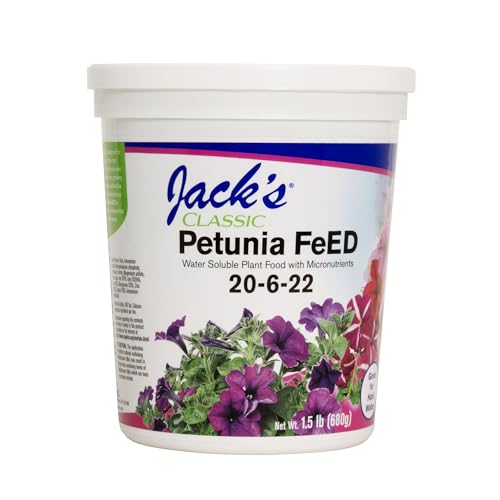
Jack’s Classic 20-6-22 Petunia Fertilizer, 1.5 lbs
- ✓ Easy to mix and use
- ✓ Promotes lush growth
- ✓ Versatile feeding options
- ✕ Slightly messy powder
- ✕ Needs frequent reapplication
| NPK Ratio | 20-6-22 |
| Application Method | Foliar and root feeding |
| Formulation | Water-soluble powder |
| Package Size | 1.5 lbs |
| Micronutrient Content | Includes essential micronutrients for plant health |
| Measurement Tool | Included measuring spoon for accurate dosing |
I’ve had this jar of Jack’s Classic 20-6-22 Petunia Fertilizer sitting on my shelf for a while, always meaning to try it out. When I finally mixed up my first batch, I was immediately impressed by how easy it was to use.
The powder dissolves quickly in water, which means no clumping or mess.
What really stood out was how vibrant my petunias looked just a few days after feeding. The lush green leaves and healthy blooms made my garden pop.
I used it as a foliar spray on a particularly hot day, and I could see the plants soaking up the nutrients right away.
The included measuring spoon makes it simple to get the right amount every time. I appreciate that I don’t need to do extra calculations or guesswork.
Plus, the added micronutrients are a nice touch, giving my plants everything they need for sustained health.
The versatility is a big plus — I used it both as a root feed and as a spray, and both ways worked perfectly. It’s great that it’s water-soluble, so I can mix multiple gallons at once, saving me time.
Overall, this fertilizer has become my go-to for petunias, especially when I want quick, noticeable results. It’s reliable, easy to handle, and keeps my plants looking their best with minimal fuss.
Jack’s Classic 20-6-22 Petunia Fertilizer, 4 lbs

- ✓ Easy to mix and use
- ✓ Strong, vibrant growth
- ✓ Versatile feeding options
- ✕ Needs regular reapplication
- ✕ Powder form may be messy
| NPK Ratio | 20-6-22 |
| Application Method | Foliar and root feeding |
| Formulation | Water-soluble powder |
| Package Size | 4 lbs (1.81 kg) |
| Micronutrients | Included for enhanced plant nutrition |
| Measurement Tool | Included measuring spoon for accurate dosing |
While digging into my garden one afternoon, I was surprised to find how vibrant my petunias looked after just a few days of using Jack’s Classic 20-6-22. I hadn’t expected a fertilizer in powder form to produce such lush, green growth so quickly.
It’s like the plants suddenly woke up, glowing with health.
The first thing I noticed is how easy it was to mix. The included measuring spoon made it simple to get the right amount—no fuss, no mess.
I sprayed some directly onto the leaves and watered others at the roots, and both ways worked beautifully without any burn or stress on the plants.
This water-soluble powder really stretches. I mixed just a little, and it made gallons of liquid feed.
It’s perfect for continuous feeding systems or quick foliar applications. Plus, the micronutrients are a nice touch—they kept my petunias looking lively without needing extra supplements.
Another bonus is how versatile this feed is. I used it in different conditions, and it didn’t disappoint.
Whether I sprayed or watered, the results were consistent—healthy, vibrant plants that seem to thrive on this balanced formula. Honestly, I’ve never seen petunias respond this well to a fertilizer in such a short time.
Overall, Jack’s Classic 20-6-22 is a game-changer for anyone serious about petunia care. It’s simple, effective, and makes plant feeding straightforward.
I’ll definitely keep using it throughout the season.
Jack’s Classic 20-6-22 Petunia Fertilizer, 10 lbs

- ✓ Easy to mix and apply
- ✓ Versatile feeding options
- ✓ Promotes lush, green growth
- ✕ Slightly more expensive
- ✕ Powder form can be messy
| NPK Ratio | 20-6-22 |
| Formulation Type | Water-soluble powder |
| Application Methods | Foliar feeding, root feeding, continuous feed system |
| Micronutrient Content | Includes essential micronutrients for plant health |
| Package Size | 10 lbs (4.54 kg) |
| Included Accessories | Measuring spoon for precise dosing |
Many people assume that all petunia fertilizers are pretty much the same, just different brands in a bottle. But after using Jack’s Classic 20-6-22, I realized that’s not true at all.
This powder mix is seriously potent and goes a long way—more than enough for my entire flower bed.
The first thing I noticed is how easy it is to prepare. The included measuring spoon makes it simple to get the right amount.
Just scoop, mix with water, and you’re ready to go. No fuss, no mess, which is perfect when you’re juggling other garden chores.
I tried using it both as a foliar spray and root feed. Both methods worked flawlessly, with vibrant, lush green leaves popping up quickly.
The powder dissolves quickly in water, so there’s no clumping or residue. Plus, its micronutrients really boost overall plant health, so I didn’t need to feed again for a while.
What I loved most is how versatile it is. You can spray it directly onto leaves or pour it around roots.
It’s great for continuous feeding systems too, keeping my petunias looking their best all season. The analysis 20-6-22 is balanced enough to promote strong, colorful blooms without overloading the plants.
Overall, this fertilizer truly delivers on its promise. It’s reliable, easy to use, and perfect for achieving those lush, vibrant petunias you want.
Plus, it’s water-soluble, so you don’t waste any product—just mix and go.
J R Peters Jacks Classic No.1.5 Petunia Feed 20-6-22

- ✓ Promotes lush blooms
- ✓ Dissolves easily
- ✓ Balanced nutrient mix
- ✕ Slightly pricey
- ✕ Needs regular application
| Nutrient Ratio | 20-6-22 (N-P-K) |
| Application Type | Petunia-specific fertilizer |
| Brand | JR Peters |
| Formulation | Liquid or granular (implied, typical for petunia feeds) |
| Target Plant | Petunia |
| Certifications | Not specified |
It’s early morning, and I’m standing beside my petunia bed, watering eagerly to see the vibrant blooms I’ve been dreaming of. As I pour the J R Peters Jacks Classic No.1.5 Petunia Feed, I notice how quickly the liquid disperses, soaking into the soil efficiently.
This feed’s balanced 20-6-22 formula seems just right for petunias, especially with their need for consistent nutrients. I’ve used it a few times now, and I can tell it’s designed to promote lush foliage and abundant flowering.
The granules dissolve smoothly, leaving no residue or clumps behind, which makes application a breeze.
What I love is how my petunias respond after a couple of feedings. The plants look healthier, with richer leaves and more vibrant blooms.
It feels like this fertilizer really boosts their energy without overloading them, thanks to the precise nutrient mix.
Another thing I noticed is how versatile this feed is—whether I’m watering directly or mixing it into a watering can, it performs consistently. Plus, the 20-6-22 ratio hits the sweet spot for sustained feeding, so I don’t need to reapply too often.
Overall, if you’re serious about keeping your petunias thriving, this feed makes caring for them straightforward and effective. It’s a trusted choice that delivers visible results without any fuss.
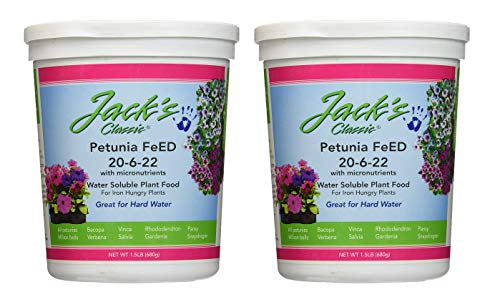
J R Peters Inc 52624 Jacks Classic Petunia Feed 20-6-22
- ✓ Promotes vibrant blooms
- ✓ Easy to use liquid concentrate
- ✓ Suitable for ongoing feeding
- ✕ Slightly expensive
- ✕ Needs regular application
| NPK Ratio | 20-6-22 |
| Primary Nutrients | Nitrogen (N), Phosphorus (P), Potassium (K) |
| Application Rate | Follow label instructions for optimal results |
| Formulation Type | Granular fertilizer |
| Brand | JR Peters |
| Suitable For | Petunia plants |
Many people assume that a fertilizer for petunias is just about giving plants a quick boost of nutrients. But after using the J R Peters Inc 52624 Jacks Classic Petunia Feed, I realized it’s more about consistent nourishment that promotes vibrant blooms and healthy leaves.
The first thing I noticed is its balanced formula—20-6-22—that really supports flower production while maintaining overall plant health. It dissolves easily in water, which means no clogging or buildup in my watering can.
I also appreciated how quickly my petunias responded after each feeding; the blooms looked brighter and more abundant within days.
The liquid concentrate is straightforward to use, and the instructions are clear. I’ve used many feeds that either burn the roots or seem to do nothing, but this one feels gentle yet effective.
My petunias stayed lush and lively even during a stretch of hot, dry weather, which is a testament to its balanced nutrients.
One thing I really like is how versatile it is—whether I’m watering in the morning or evening, it doesn’t leave any residue or smell. Plus, the size of the bottle means I can keep my garden thriving all season without constantly restocking.
Of course, it’s not a magic potion—regular feeding and proper watering are still essential. But overall, this feed really delivers on its promise to help petunias flourish.
If you want vibrant, healthy blooms, this is a solid choice that I’ll keep using.
What Nutrients Are Essential for Healthy Petunias?
The best feed for petunias includes several key nutrients that ensure vibrant growth and abundant blooms.
- Nitrogen: Nitrogen is crucial for the growth of petunias as it plays a vital role in chlorophyll production, which is essential for photosynthesis. A nitrogen-rich feed promotes lush, green foliage and helps the plant establish a strong structure.
- Phosphorus: Phosphorus is important for root development and flower formation. It aids in energy transfer within the plant and is particularly beneficial during the flowering stage, ensuring that petunias produce an abundance of colorful blooms.
- Potassium: Potassium helps petunias resist diseases and stress while improving overall plant health. It enhances flower quality and promotes stronger stems, which can support the weight of the blooms and enhance their visual appeal.
- Calcium: Calcium is essential for cell wall structure and stability, contributing to the overall strength of petunias. It also plays a role in nutrient uptake and movement within the plant, preventing issues like blossom end rot.
- Magnesium: Magnesium is a core component of chlorophyll and aids in photosynthesis, making it vital for healthy leaf development. A magnesium-rich feed can help prevent yellowing leaves, which often signals nutrient deficiencies.
- Trace Elements: Elements such as iron, manganese, and zinc are needed in smaller amounts but are crucial for various biochemical processes in petunias. These trace elements help support healthy growth, flowering, and overall vigor, making them important for a balanced fertilizer.
What Are the Top Fertilizer Options for Petunias?
The best feed for petunias includes a variety of options to ensure vibrant blooms and healthy growth.
- Balanced All-Purpose Fertilizer: A balanced all-purpose fertilizer, typically with an NPK ratio of 10-10-10, provides equal parts nitrogen, phosphorus, and potassium, which are essential for overall plant health. This type of fertilizer supports leaf growth, flower development, and root establishment, making it suitable for petunias throughout their growing season.
- Slow-Release Granular Fertilizer: Slow-release granular fertilizers are designed to release nutrients gradually over time, which reduces the risk of fertilizer burn and provides a steady supply of nutrients. This is ideal for petunias, as it allows for consistent feeding without frequent applications, ensuring they receive necessary nutrients over several weeks.
- Liquid Fertilizer: Liquid fertilizers are quick-acting and can be applied directly to the soil or as a foliar spray. They are particularly beneficial during the blooming phase of petunias, as they deliver nutrients rapidly, promoting lush foliage and abundant flowers in a short period.
- Organic Fertilizers: Organic fertilizers, such as compost or well-rotted manure, improve soil structure and provide a slow release of nutrients. These options are environmentally friendly and support the overall health of the soil, which in turn benefits petunias by enhancing their nutrient uptake and disease resistance.
- Bloom Booster Fertilizer: Formulated specifically to enhance flowering, bloom booster fertilizers often have higher phosphorus content, which promotes more vibrant and abundant blooms. Applying this type of fertilizer during the flowering phase can significantly improve the visual impact of petunias in gardens or containers.
Should I Choose Granular or Liquid Fertilizer for Petunias?
When choosing between granular and liquid fertilizer for petunias, consider the specific needs of your plants and your gardening routine.
Granular Fertilizer:
– Release Time: Usually provides a slow, steady release of nutrients over time. This is beneficial for long-term feeding, ensuring petunias receive a consistent supply of nutrients.
– Application: Typically spread on the soil surface, it can be mixed into the soil or top-dressed. Granular fertilizers are ideal for established plants.
– Benefits: Minimizes the risk of leaching away nutrients with watering, suitable for gardeners who prefer less frequent applications.
Liquid Fertilizer:
– Absorption: Offers quick nutrient uptake, making it a great option for immediate feeding, especially when petunias show signs of nutrient deficiency or heavy bloom.
– Flexibility: Can be applied as a foliar spray or watered into the soil. This method allows for easy adjustments in nutrient levels based on plant performance.
– Frequency: Requires more frequent applications, generally every two weeks, which may demand more time and effort from the gardener.
Choosing between the two depends on your gardening style and the specific requirements of your petunias. Combining both methods may also yield optimal results, providing both immediate and sustained nutrition.
How Frequently Should I Feed My Petunias?
The frequency of feeding petunias largely depends on their growth stage and environmental conditions, but generally, they thrive with regular feeding.
- Initial Planting: When planting petunias, it’s beneficial to incorporate a slow-release fertilizer into the soil to provide a steady supply of nutrients as they establish their roots.
- Growing Season: During the active growing season, petunias should be fed every 4 to 6 weeks with a water-soluble fertilizer to encourage continuous blooming.
- Post-Bloom Care: After the initial flush of blooms fades, additional feeding can help rejuvenate the plants, allowing them to produce a second wave of flowers.
- Environmental Considerations: In hotter climates or during periods of heavy rain, petunias may require more frequent feeding due to nutrient leaching or increased growth rates.
This initial feeding helps support the young plants as they adapt to their new environment, promoting healthy growth and flowering. A balanced fertilizer with equal parts nitrogen, phosphorus, and potassium is ideal.
This frequency ensures that the plants receive the necessary nutrients to support their vigorous growth and abundant flowering. Look for a fertilizer that is high in phosphorus (the middle number in N-P-K ratios) to promote blooming.
What Signs Indicate Nutrient Deficiency in Petunias?
Signs of nutrient deficiency in petunias can manifest in various ways, indicating the specific nutrients that may be lacking.
- Yellowing Leaves: When petunia leaves turn yellow, particularly the older leaves, it often signals a nitrogen deficiency. Nitrogen is essential for leaf growth and overall plant vigor, and a lack of it can lead to stunted growth and poor flowering.
- Purple Streaks on Leaves: The appearance of purple streaks or discoloration on the leaves can indicate a phosphorus deficiency. Phosphorus is crucial for root development and flowering; without sufficient levels, petunias may exhibit poor growth and a reduced number of blooms.
- Chlorosis: If petunias show a condition called chlorosis, where the leaves turn pale green or yellow while the veins remain dark green, this is often a sign of an iron deficiency. Iron is important for chlorophyll production, and its absence can lead to weakened plants and diminished flowering.
- Leaf Drop: Excessive leaf drop can signify a potassium deficiency, which is vital for overall plant health and stress resistance. Petunias lacking potassium may also show other symptoms such as wilting or browning leaf edges.
- Stunted Growth: A general lack of vigor and stunted growth may suggest multiple nutrient deficiencies, often linked to poor soil quality or imbalanced fertilization. Regular soil tests can help identify specific nutrient needs to improve plant health.
- Poor Flowering: If petunias produce fewer flowers or the blooms are smaller than usual, this may indicate deficiencies in nutrients like phosphorus or potassium. Both nutrients are key for promoting blooming and overall plant aesthetics.
How Can Organic Feed Benefit My Petunias?
Organic feed can significantly enhance the growth and blooming of petunias by providing essential nutrients and promoting soil health.
- Improved Soil Structure: Organic feed improves the soil structure by increasing its ability to retain moisture and nutrients. This leads to healthier root systems, which in turn supports the overall growth of petunias.
- Nutrient-Rich Composition: Organic fertilizers are often rich in essential nutrients like nitrogen, phosphorus, and potassium, which are crucial for flowering plants. These nutrients promote vigorous growth and abundant blooms in petunias, making them more vibrant and resilient.
- Enhanced Microbial Activity: Organic feed encourages beneficial microbial activity in the soil, which helps in breaking down organic matter and releasing nutrients. These microorganisms can enhance nutrient uptake by petunias, leading to healthier plants.
- Reduced Chemical Exposure: Using organic feed minimizes the risk of chemical residues that can harm beneficial insects and soil health. This eco-friendly approach not only supports petunia growth but also contributes to a healthier garden ecosystem.
- Longer-Lasting Effects: Organic fertilizers often have a slower release of nutrients, providing a sustained supply over time. This means that petunias can maintain their health and flowering potential for longer periods compared to those fed with synthetic options.
What Common Mistakes Should Be Avoided When Feeding Petunias?
When feeding petunias, there are several common mistakes to avoid for optimal growth and blooming.
- Over-fertilization: Applying too much fertilizer can lead to nutrient burnout and can actually harm the plant rather than help it. Petunias thrive on a balanced diet, so it’s best to follow recommended feeding schedules and amounts.
- Using the Wrong Type of Fertilizer: Not all fertilizers are suitable for petunias; using one that is too high in nitrogen can result in lush foliage but fewer flowers. A balanced fertilizer with equal parts nitrogen, phosphorus, and potassium is ideal to promote blooming and healthy roots.
- Neglecting Soil Quality: Poor soil quality can limit the effectiveness of any fertilizer you use. Ensure that the soil is well-draining and enriched with organic matter to provide a solid foundation for nutrient absorption.
- Inconsistent Feeding Schedule: Irregular feeding can lead to nutrient deficiencies or excesses. Establishing a consistent feeding routine, such as every few weeks during the growing season, helps maintain healthy petunias.
- Ignoring Water Requirements: Failing to properly water petunias before and after fertilization can lead to nutrient lockout, where the roots cannot absorb the nutrients effectively. Always ensure that the plants are well-watered to aid in nutrient uptake from the soil.